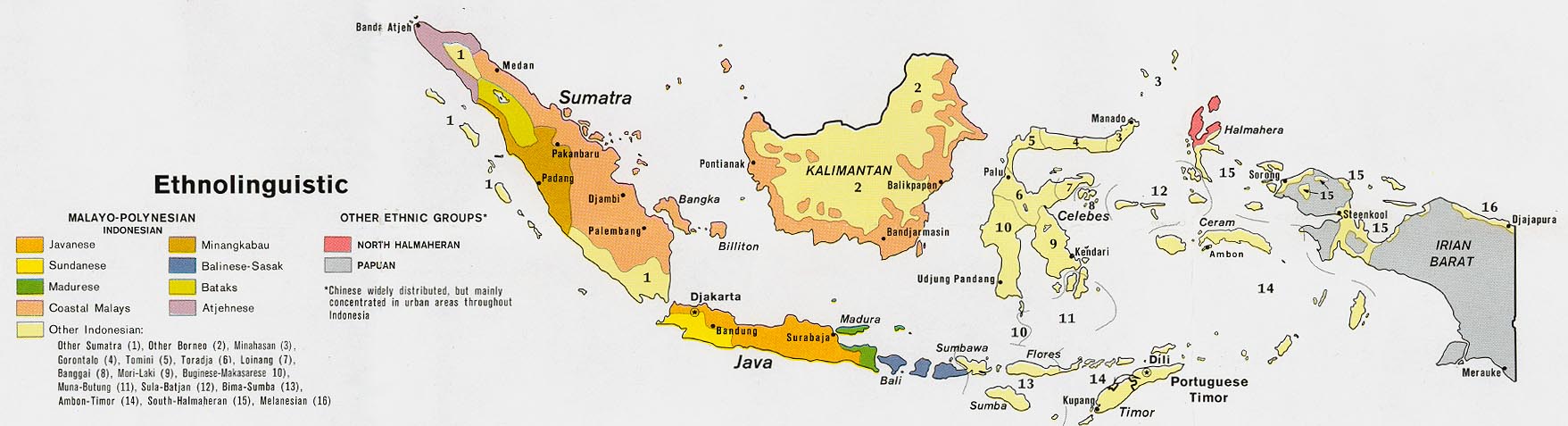
Kayan River Kenyah in Indonesia are a distinct Kenyah subgroup living in the interior of North Kalimantan along the Kayan River and its upper river systems. Reliable outside sources identify them as a subgroup of the wider Kenyah people, while also showing that the name "Kayan River Kenyah" is used as an alternate ethnolinguistic label in mission and language references. They belong to the broader Dayak world of inland Borneo, where many related peoples have long been identified by river systems, migration routes, and local longhouse communities rather than by large centralized political structures.
Their history is tied to the upriver interior of Borneo, especially the Apo Kayan and wider Kayan basin, which has long been a center of Kenyah and related Dayak settlement. Outside references on the Kenyah and Apo Kayan peoples describe these communities as part of the interior "upriver" peoples of Borneo whose movement, settlement, and identity were closely tied to river corridors and longhouse life. The Kayan River itself has historically functioned as a major route of travel and communication into the interior, which helps explain why a river-based subgroup identity like Kayan River Kenyah has remained meaningful.
Kayan River Kenyah in Indonesia live in the interior riverine world of North Kalimantan, especially in communities along the Kayan River and related upriver areas. The Kayan River is one of the major inland waterways of northern Borneo and has long served as a transportation route for communities living deeper in the interior. Outside references note that the river remains vital for inland movement, freshwater access, fishing, and agriculture, which strongly fits the way a river-based Kenyah subgroup would live.
As a Kenyah subgroup, their traditional social life is closely associated with longhouses, settled village communities, and swidden agriculture. Reliable outside sources on the wider Kenyah people describe them as historically living in longhouses, farming by shifting cultivation, and gathering for communal events in shared longhouse spaces. These longhouses were not just housing structures but centers of family life, leadership, celebration, and social order. Even where some families now live in separate homes or move closer to towns, longhouse culture remains an important marker of identity and memory among many Kenyah communities.
Their daily livelihood is best understood as a mix of farming, fishing, hunting, and forest-based subsistence, shaped by river access and upland land use. The wider Kenyah and Kayan River interior context supports this: outside sources on the Kayan River describe communities depending on agriculture and fishing, while sources on the Kenyah describe swidden farming and close ties to forest and river resources. In practice, that means rice cultivation, fishing, small-scale animal raising, forest gathering, and river travel likely remain important, even as some households increasingly connect to schools, government work, or market activity. Their language is best understood as part of the Kenyah language group, especially what mission sources identify as Kenyah, Mainstream, while Indonesian is likely used in wider education, trade, and government settings.
Kayan River Kenyah in Indonesia are identified primarily with Christianity, especially Protestant Christianity, but that must be handled carefully. Internal classification for this specific people group identifies them as primarily Protestant, and outside sources on the wider Kenyah people likewise note that Christianity is now the majority religion among many Kenyah communities, though older folk beliefs such as Bungan or other customary spiritual patterns have also been part of the wider Kenyah world. This means they should not be treated as a people with no Christian witness at all, but neither should outward Christian identity automatically be assumed to mean deep biblical discipleship across the whole group.
Some among Kayan River Kenyah in Indonesia may be genuine believers in Jesus Christ. Others may carry a Christian identity shaped more by family tradition, church association, or community history than by clear repentance and strong biblical grounding. In parts of Borneo, older customary beliefs and spiritual assumptions can continue beneath a Christian surface even where churches are present. For that reason, their greatest need is not first exposure to the name of Christ, but biblical depth, sound doctrine, faithful shepherding, and lives increasingly shaped by the authority of God's Word. Scripture portions are available in their language.
Kayan River Kenyah in Indonesia need strong biblical discipleship in a setting where Christian identity appears present but spiritual maturity should not be assumed. Where a people group has visible church background and Christian profession, the danger is often not open unbelief but shallow Christianity, weak doctrinal grounding, and churches that may not be consistently strengthened by careful teaching. They need pastors, teachers, and mature believers who can patiently build up local fellowships in truth, holiness, and endurance.
Their riverine interior setting also matters. Communities along the Kayan River can be geographically separated, and river travel remains a practical factor in everyday life. When villages are spread across upriver regions, consistent pastoral care, leadership training, and access to mature teaching can be harder to sustain. Strong local leaders are especially important in places where travel is slower, where outside workers cannot always be present, and where younger believers need ongoing help to grow in doctrine and godliness.
They also need discipleship that reaches homes, families, and village communities, not only individuals. In close-knit Dayak settings, faith is often lived in a strongly communal context. If older customary beliefs, spiritual fears, or inherited ritual assumptions remain under the surface, believers need careful teaching from Scripture so they can understand the lordship of Christ over fear, suffering, sickness, ancestral pressure, and every spiritual power. Practical needs such as transportation, access to medical care, educational opportunity, and regular connection to strong biblical fellowship may also affect church health in the interior and should be prayed for carefully without exaggeration.
Pray that Kayan River Kenyah in Indonesia would grow beyond nominal or shallow Christianity into deep repentance, strong faith, and joyful obedience to Jesus Christ.
Pray for pastors, evangelists, and church leaders among Kayan River Kenyah in Indonesia to handle Scripture faithfully, teach sound doctrine clearly, and shepherd people with humility and courage.
Pray that where Christian identity is mixed with fear, custom, or weak understanding, the Lord would bring biblical clarity, spiritual renewal, and lasting transformation.
Pray that families and village communities along the Kayan River would be strengthened by God's word, so that homes become places of prayer, discipleship, and faithful witness.
Pray for strong local fellowships in interior river communities, and that believers would remain steadfast even where distance and travel make consistent support more difficult.
Pray for practical help where needed in areas such as transportation, medical access, education, and regular connection to mature biblical teaching in upriver communities.
Scripture Prayers for the Kenyah, Kayan River in Indonesia.
https://peoplegroups.org/people_groups/pg022573/
https://en.wikipedia.org/wiki/Kenyah_people
https://en.wikipedia.org/wiki/Kenyah_languages
https://en.wikipedia.org/wiki/Apo_Kayan_people
https://en.wikipedia.org/wiki/Kayan_River
| Profile Source: Joshua Project |