
|
The Bushmen, often referred to as the San or the generic term Khoisan, are the remnants of Africa's oldest cultural group. There are numerous Bushmen groups such as the Nama, Mashi, Teuso, Ik, Gciriku and Sandawe. They are small in stature generally with light yellowish skin, which wrinkles very early in life. Despite the later massive expansion of the pastoral and agrarian tribal cultures, those Bushman groups that utilized environments that were unsuitable for farming, survived until fairly recently with a high level of genetic purity.
Where do they live?
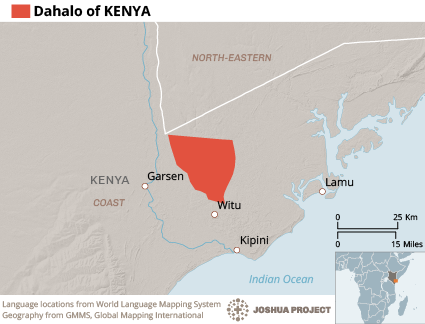
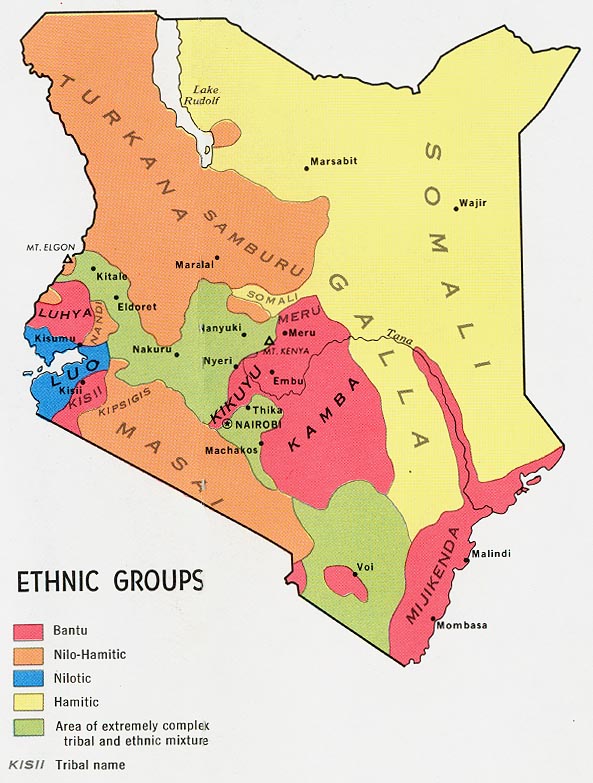
They can be found in Southern Africa in the following countries: Botswana, Namibia, South Africa, Zambia, Zimbabwe, Angola, and with loosely related groups in Tanzania. Recorded history also placed them in Lesotho and Mozambique. Rock art and archaeological evidence can place them as far north as Libya, Egypt, Sudan and Ethiopia, with the evidence of legend and racial type suggesting some traces remain in Kenya.
What are their lives like?
They were hunter/gatherers, with traditionally about 80% of their diet consisting of plant food, including berries, nuts, roots and melons gathered primarily by the women. The remaining 30% was meat, hunted by the men, using poisoned arrows and spears. Their hunting and gathering economy and social structure had remained virtually unchanged until very recently with the advent of agriculture. The Bushmen did not farm or keep livestock, having no concept of the ownership of land or animal.
Their social structure is not tribal because they have no paramount leader and their ties of kinship are fairly relaxed. They have a loosely knit family culture where decisions are made by universal discussion and agreement by consensus. People’s opinions are naturally weighed according to their level of skill and experience in the particular field of discussion.
Bushmen are generally nomadic within fairly limited boundaries, governed by the proximity of other families and clans. As a very loose guideline, the territory of a family may stretch to a 25-mile circle. Obviously, if there are no other bordering clans or other people these areas may stretch further, as far as is needed to ensure adequate food and water sources.
The roles of men and women are very distinct and rarely overlap, which is a characteristic almost universal amongst hunter/gatherers the world over. It is based on survival needs, encouraging the most efficient utilization of available skills and resources. Despite what is often perceived as a very sexist society, the Bushmen regard women very highly within the group, with their opinions often taking precedence, particularly where food is concerned.
What are their beliefs?
Although there are group differences, a basic belief system exists. The Bushmen believe in a mythical being, part trickster, part creator who is capable of great good but also of playing tricks on people. This creature is called Kaggen by some, Cagn by others. The Kalahari San Bushmen hold similar beliefs and revere a greater and a lesser god, the first associated with life and the rising sun, and the latter with illness and death. The shamans who go into trances and altered states of existence during ritual dances acquire access to the lesser god who cause illness.
The great "medicine or healing dance" and the rain dance are rituals in which everyone participate. During these dances, the women usually sit around a central fire as they sing and clap their hands. The men first dance around the women in a clockwise direction and then vice versa. As the dance increase in intensity, the dancers reach trance-like, altered, states of consciousness and are transported into the spirit realm where they could plead for the souls of the sick.
These shamanic trance dances are depicted in the rock art left behind by the San Bushmen. The shamanic figures are often painted in strange "bending forward" postures. Shamans explain that they adopted this posture during their trance dances because they experienced a great deal of pain when the "potency" started boiling in their stomachs and their stomach muscles started contracting. They also often experience spontaneous nosebleeds at this time. These nosebleeds are faithfully depicted in the many rock paintings of trance dances.
Birth, death, gender, rain and weather are all believed to have supernatural significance. For example, people acquire good or bad rain-bringing abilities at birth and this ability is reactivated when the person dies. Another shared belief is that animals and people were indistinguishable when the world was first created. People had not yet acquired manners and culture and only after the second creation were they separated from the animals and educated in a separate social code. Most Bushmen believe that upon death, the soul goes back to the great god's house in the sky. Dead people can, however, still influence the living and, when a shaman or witchdoctor dies, the people are very concerned lest his spirit become a danger to the living.
What are their needs?
The Bushmen had their homelands invaded by cattle herding Bantu tribes from around 1,500 years ago, and by white colonists over the last few hundred years. From that time they have faced discrimination, eviction from their ancestral lands, murder and oppression amounting to a massive though unspoken genocide, which reduced them in numbers from several million to 100,000. Today, although all suffer from a perception that their lifestyle is 'primitive' and that they need to be made to live like the majority cattle-herding tribes, their specific problems vary according to where they live. In South Africa, for example, the Khomani now have most of their land rights recognized, but many other Bushmen tribes have no land rights at all.
The Gana and Gwi tribes in Botswana's Central Kalahari Game Reserve are among the most persecuted. Far from recognizing their ownership rights over the land they have lived on for thousands of years, the Botswana government has in fact forced almost all of them off it. The harassment began in 1986, and the first forced removals were in 1997. Those that remained faced torture, drastic restrictions in their hunting rights, and routine harassment. In early 2002, this harassment intensified, accompanied by the destruction of the Bushmen's water pump, the draining of their existing water supplies into the desert, and the banning of hunting and gathering. Almost all were forced out by these tactics, but a large number have since returned, with many more desperate to do so.
Prayer Points
* Land rights for those tribes removed from their homelands
* To be freed from their traditional beliefs and to accept Christ as their Lord and Saviour
* Provision of water and food resources
Text source: Willem Richter
View Dahalo in all countries. |