Dak Kang in Laos
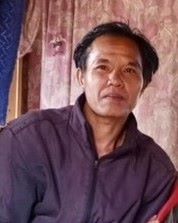
Photo Source:
Anonymous
|
Send Joshua Project a map of this people group.
|
| People Name: | Dak Kang |
| Country: | Laos |
| 10/40 Window: | Yes |
| Population: | 2,100 |
| World Population: | 2,100 |
| Primary Language: | Katu, Western |
| Primary Religion: | Ethnic Religions |
| Christian Adherents: | 0.00 % |
| Evangelicals: | 0.00 % |
| Scripture: | New Testament |
| Ministry Resources: | No |
| Jesus Film: | No |
| Audio Recordings: | No |
| People Cluster: | Mon-Khmer |
| Affinity Bloc: | Southeast Asian Peoples |
| Progress Level: |

|
Introduction / History
The Dak Kang people, who speak Western Katu, inhabit villages in Laos along the Upper Xekong River and along the watershed of the Songboung River basin near the Vietnam border. A small subgroup within the broader Mon-Khmer (Austroasiatic) ethnic communities of southern Laos, the Dak Kang are closely related to or sometimes listed alongside groups like the Katu, Katang, Ta Oi, and Alak, sharing linguistic and cultural ties in the region's diverse highland tribes. All these groups maintain distinct ethno-linguistic identities. The Dak Kang number several thousand in Laos and form part of the broader Katuic peoples.
Their history aligns with ancient migrations of Mon-Khmer peoples into Southeast Asia over millennia, settling in remote mountainous areas where they practiced slash-and-burn agriculture, hunting, weaving, and animist rituals centered on forest spirits and communal ceremonies. Like many indigenous highland groups, they largely avoided deep integration with lowland Lao societies or colonial influences, maintaining traditional lifestyles into the modern era.
What Are Their Lives Like?
The Dak Kang live in remote villages that prove difficult to access due to the lack of roads. They reside in long rectangular houses in the forests, where each home shelters between two to eight families. Their villages often include neighboring groups. Dak Kang women traditionally tattoo their faces, but this custom has faded in recent decades. The Dak Kang favor monogamous families, though rich men and village leaders may take two or more wives. Weddings demand high costs from the groom and his family, who pay a dowry equivalent to 15 buffaloes. If they cannot afford it, the groom lives with his wife's family after marriage and works off the debt.
The Dak Kang gain renown throughout Laos for their annual buffalo-sacrifice ceremony. They kill buffaloes as offerings to the spirits to protect and bless their communities. During the ceremony, men don wooden masks, hoist spears and wooden shields, and dance around the buffaloes in a circle formed by their houses. After dancing, the men converge on the buffaloes and spear them to death. Villagers divide the meat, and each household places a piece in a basket on a pole in front of their house as a spirit offering. The Dak Kang engage in crop rotation, irrigation, and slash-and-burn agriculture.
What Are Their Beliefs?
Shamans, or spirit priests, play active roles among the Dak Kang. Villagers pay them with chickens or silver for their services. The Dak Kang practice ethnic religions centered on animism, revering forest spirits and observing numerous taboos to avoid disturbing them. They blend these beliefs with elements of Theravada Buddhism and celebrate some Buddhist festivals.
What Are Their Needs?
The Dak Kang face spiritual needs as an unreached group, requiring clear presentations of the gospel to spark a movement to Christ. They need cross-cultural teams for research, gospel seed sowing, and church planting. Environmental challenges, such as deforestation and poaching, also affect their communities.
Prayer Points
Pray that God sends Holy Spirit-led Christians from related groups to share the gospel with the Dak Kang in Laos.
Pray that a strong evangelizing church emerges soon among the demon-fearing Dak Kang of Laos.
Pray that Dak Kang elders gain spiritual hunger and discernment to seek and find the Living Christ.
Pray for a movement where Dak Kang households study the Bible together and accept Christ's blessings.