Targala in India
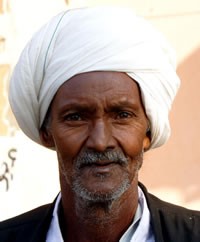
Photo Source:
Copyrighted © 2026
Isudas All rights reserved. Used with permission |
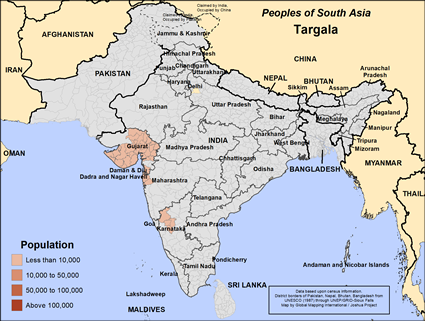
Map Source:
People Group data: Omid. Map geography: UNESCO / GMI. Map Design: Joshua Project
|
| People Name: | Targala |
| Country: | India |
| 10/40 Window: | Yes |
| Population: | 38,000 |
| World Population: | 38,000 |
| Primary Language: | Gujarati |
| Primary Religion: | Hinduism |
| Christian Adherents: | 0.00 % |
| Evangelicals: | 0.00 % |
| Scripture: | Complete Bible |
| Ministry Resources: | Yes |
| Jesus Film: | Yes |
| Audio Recordings: | Yes |
| People Cluster: | South Asia Hindu - other |
| Affinity Bloc: | South Asian Peoples |
| Progress Level: |

|
Introduction / History
The Targala, also known as Bhoviya or Bhavaiya, are a small Hindu people group primarily residing in the state of Gujarat, with smaller populations in Maharashtra and a few other areas. They claim descent from an ex-communicated Brahmin community. According to tradition, their origins trace back to poetic and dramatic performers linked to the 14th-century Brahmin poet Asait Thakar of Unjha in North Gujarat, who is associated with the development of Bhavai, a vibrant folk dance-drama form.
They are divided into three main subgroups—Nayak (or Naik), Bhojak (or Bhojai), and Voya (or Voyas)—which also serve as surnames. Each subgroup contains clans named after ancestral villages. The Targala maintain a distinct identity while living among the broader Gujarati-speaking population in western India.
What Are Their Lives Like?
Most Targala live in rural or semi-urban areas of Gujarat. Traditionally associated with performing arts (particularly Bhavai folk theater), many have transitioned into other occupations such as agriculture, small-scale trade, or daily wage labor while preserving elements of their cultural heritage. Families are patriarchal, and marriage is strictly endogamous within the community, though inter-subgroup marriages are permitted. Women typically wear vermilion (sindoor), bracelets, and toe-rings as visible symbols of their married status.
Daily life revolves around family, community, and seasonal agricultural or performance cycles. They value education increasingly for their children but face challenges common to many smaller communities in India, including limited access to quality healthcare, clean water, and economic opportunities in some regions. Social life includes participation in local festivals and maintaining relationships with neighboring castes.
What Are Their Beliefs?
The Targala are devout Hindus. Their primary community goddess is Bahucharamata (also known as Ambamata). They also worship village deities such as Bhubaneswari and Suleswari (or Sulgamata). Like most Hindu communities, they observe major festivals including Holi, Diwali, Navratri, and Rama Navami.
Traditional caste observances remain: they historically accept food and water from higher castes (Brahmin and Kshatriya) but not from lower ones. Their worldview is shaped by karma, dharma, and devotion to deities who they believe protect their community and livelihood. Spiritual practices blend temple worship, home rituals, and folk traditions tied to their performing arts heritage.
What Are Their Needs?
The Targala need the abundant life that only Jesus Christ offers (John 10:10). Many live with economic pressures, limited higher education, and health challenges common in rural Gujarat. Spiritually, they are bound by idolatry and a system that offers no assurance of forgiveness or eternal hope. They require practical help in areas such as clean water, healthcare access, quality education for children, and sustainable livelihood opportunities—alongside the life-transforming message of the Gospel.
Prayer Points
Pray for a church-planting movement to emerge among the Targala in this generation, with the Holy Spirit powerfully drawing hearts to Jesus through dreams, visions, and encounters with believers.
Pray that God would raise up bold Gujarati-speaking believers and church planters who will intentionally reach out to the Targala with love, respect, and the Good News.
Ask the Lord to break the strongholds of ancestral idolatry and spiritual blindness, opening their eyes to the truth that salvation is found only in Christ.
Pray for protection and fruitfulness for any Christians or missionaries laboring in Gujarat, and for the government to allow freedom for the Gospel to be shared peacefully.
References