Alune, Sapalewa in Indonesia
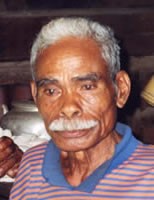
Photo Source:
Monash University Maluku Project
|
Send Joshua Project a map of this people group.
|
| People Name: | Alune, Sapalewa |
| Country: | Indonesia |
| 10/40 Window: | Yes |
| Population: | 24,000 |
| World Population: | 24,000 |
| Primary Language: | Alune |
| Primary Religion: | Christianity |
| Christian Adherents: | 80.00 % |
| Evangelicals: | 12.00 % |
| Scripture: | New Testament |
| Ministry Resources: | Yes |
| Jesus Film: | No |
| Audio Recordings: | Yes |
| People Cluster: | Maluku-Central |
| Affinity Bloc: | Malay Peoples |
| Progress Level: |

|
Introduction / History
The Sapalewa Alune people are one of the long-established ethnic groups of Seram Island in Indonesia's Maluku Province. They are part of the Patasiwa cultural grouping, which historically included several related tribes such as the Wemale. The Alune language, also called Sapalewa or Patasiwa Alfoeren, belongs to the Malayo-Polynesian branch of the Austronesian language family and has several dialects, with Rambatu considered the most prestigious. Oral traditions include the Hainuwele legend, an origin myth recorded in the early 20th century, which reflects their deep cultural roots. Historically, the Alune lived in the island's interior, relying on forest resources and practicing shifting cultivation. Their ancestral homes were large wooden structures built with palm leaves and timber, showcasing their skill in carpentry.
What Are Their Lives Like?
The Sapalewa Alune traditionally lived off the land, with sago palms forming the basis of their diet. They supplemented this with hunting, fishing, and small-scale gardening. Men were responsible for hunting and building, while women gathered forest products and processed sago, often accompanied by children. Clan-based social structures remain important, and extended families play a central role in community life. Celebrations include Christian holidays and traditional coming-of-age ceremonies for girls, which were historically significant. Today, modern influences have changed aspects of their lifestyle, but many still maintain ties to their cultural heritage through oral traditions and communal practices.
What Are Their Beliefs?
The Sapalewa Alune people are predominantly Christian, with both Protestant and Catholic traditions present. However, elements of animism and ancestral worship persist, especially in rural areas. Traditional beliefs include the presence of spirits in natural elements, and these ideas often influence rituals and daily practices. While churches exist and Christian identity is strong, syncretism remains common, and there is a need for deeper biblical understanding and discipleship.
What Are Their Needs?
The Sapalewa Alune face both physical and spiritual challenges. Access to healthcare and education is limited in remote villages, and environmental pressures such as logging and land disputes threaten their traditional way of life. Spiritually, while many identify as Christians, there is a need for strong teaching rooted in Scripture to help believers grow in faith and resist syncretistic practices. Resources such as Bible translations, audio Scripture, and trained local leaders are essential for equipping the community to live out and share the gospel.
Prayer Points
Pray for improved access to healthcare and education for Sapalewa Alune families living in remote areas.
Pray for the completion and distribution of Scripture in the Alune language and for its use in homes and churches.
Intercede for local Christian leaders to be equipped for teaching and discipleship, so that faith in Christ grows strong and clear.
Pray for Sapalewa Alune Christians to be Christ-bearers to Muslim communities.