Aion in Papua New Guinea
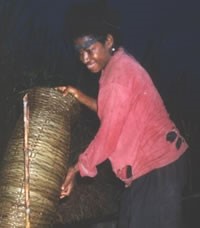
Photo Source:
Anonymous
|
Send Joshua Project a map of this people group.
|
| People Name: | Aion |
| Country: | Papua New Guinea |
| 10/40 Window: | No |
| Population: | 1,500 |
| World Population: | 1,500 |
| Primary Language: | Ambakich |
| Primary Religion: | Christianity |
| Christian Adherents: | 90.00 % |
| Evangelicals: | 21.00 % |
| Scripture: | Unspecified |
| Ministry Resources: | No |
| Jesus Film: | No |
| Audio Recordings: | No |
| People Cluster: | New Guinea |
| Affinity Bloc: | Pacific Islanders |
| Progress Level: |

|
Introduction / History
The Aion are an indigenous people of Papua New Guinea who live along the Porapora and Keram River systems in the northern part of East Sepik Province. Their homeland is characterized by rivers, swamps, and tropical forests that have shaped their way of life for generations. The Aion belong to the broader New Guinea cultural cluster and speak Ambakich, sometimes referred to as Aion, as their traditional language. Tok Pisin is also widely used for communication with neighboring groups and the wider society. The rivers that flow through their territory have long served as important routes for travel, trade, fishing, and cultural exchange.
What Are Their Lives Like?
Life among the Aion is closely connected to the rivers and wetlands of their region. Sago palm is a staple food and plays an important role in daily life. Families also cultivate bananas, coconuts, sugar cane, pumpkins, sweet potatoes, cucumbers, and other crops suited to the tropical environment. Fishing provides an important source of food, and river resources are used extensively.
Traditional skills remain highly valued. The Aion are known for carving canoes and wooden items, weaving baskets and net bags, and crafting objects from materials gathered from their natural surroundings. Boys and girls learn practical skills from an early age, with knowledge being passed from one generation to the next through observation and participation. Community celebrations often include traditional singing and dancing, known as singsings, which bring people together for important social and religious occasions.
What Are Their Beliefs?
Most Aion identify as Christians, and churches play an important role in community life. Christian worship is often incorporated into traditional celebrations, and many people participate in church activities on a regular basis. The message of Christianity has become well established among the Aion, and there is an active Christian witness within the community.
At the same time, traditional beliefs and cultural practices continue to influence how some people understand the spiritual world. As in many parts of Papua New Guinea, beliefs concerning spirits, ancestors, and unseen forces may still affect decisions related to health, protection, and community life. Continued biblical teaching and discipleship are important so that believers can grow in their understanding of Scripture and develop a mature faith centered on Jesus Christ.
What Are Their Needs?
The Aion need continued access to education, healthcare, and economic opportunities that can strengthen their communities while preserving valuable cultural traditions. The remote nature of their homeland can make transportation and access to services challenging.
Spiritually, the Aion would benefit from ongoing discipleship, leadership development, and biblical training. Although Scripture portions and Christian resources are available in languages they understand, local churches need well-equipped leaders who can teach God's Word effectively and help believers grow in spiritual maturity. As the church develops, there is an opportunity for Aion Christians to take a greater role in evangelism and mission work among neighboring peoples.
Prayer Points
Pray that Aion believers will continue to grow in their knowledge of God's word and their commitment to Jesus Christ.
Pray that church leaders will be equipped to disciple others and teach biblical truth faithfully.
Pray that Christian families will provide strong spiritual examples for the next generation.
Pray that the Aion will have improved access to services that strengthen their communities and livelihoods.