Jewish, Litvish (Yeshivish) in United States
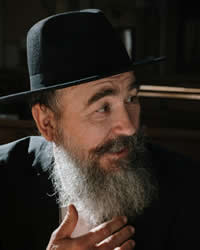
Photo Source:
Cottonbro Studios
|
Send Joshua Project a map of this people group.
|
| People Name: | Jewish, Litvish (Yeshivish) |
| Country: | United States |
| 10/40 Window: | No |
| Population: | 241,000 |
| World Population: | 802,500 |
| Primary Language: | English |
| Primary Religion: | Judaism |
| Christian Adherents: | 0.00 % |
| Evangelicals: | 0.00 % |
| Scripture: | Complete Bible |
| Ministry Resources: | Yes |
| Jesus Film: | Yes |
| Audio Recordings: | Yes |
| People Cluster: | Jewish, Ashkenazi |
| Affinity Bloc: | Jewish |
| Progress Level: |

|
Introduction / History
Litvish (Yeshivish) Jewish people in the United States refers to the non-Hasidic ultra-Orthodox stream often called the Lithuanian or "Litvish" world within Haredi Judaism. This tradition grew out of the great yeshiva culture of Lithuania and Eastern Europe, where disciplined Torah and Talmud study, rabbinic scholarship, and strict communal order were central. In Israel, that legacy was rebuilt through major yeshivas and rabbinic leadership after the destruction of European Jewish centers. Though they are nine countries, the vast majority are in Israel and the United States. In the latter country, they speak English.
They are most likely to be found in the United States in the northeastern states such as New York and New Jersey. In New York they are most likely to be in New York City (Brooklyn especially), Boro Park, Flatbush, Williamsburg, and Rockland County. In New Jersey they have communities in Lakewood and Passaic/Clifton. They always live with others from their own community; you will not find them scattered like more liberal Jewish communities.
What Are Their Lives Like?
Litvish (Yeshivish) Jewish people in the United States often live in densely connected religious neighborhoods where daily life revolves around prayer, study, family, synagogue, and community institutions. Their communities are commonly structured around yeshivas for unmarried young men, kollels for married men devoted to advanced religious study, schools for children, and strong rabbinic oversight.
As young men, Litvishs earn a living through religious stipends, their wives' income (teachers, office work, tech jobs, etc.) and from their parents. They are typically full-time students of the Torah at this point in their lives. As they grow older, men join the workforce, often in business, real estate, family business, IT, electrical work, etc. Women often remain in the workplace, but at this stage, they must adjust their schedules for childcare. Since they live in insular enclaves, they often find work in their own community. Some struggle financially while others become middle class or upper class. Because of their large family size, some qualify for housing assistance.
Men are typically known for conservative black-and-white dress, long hours in study, and close involvement with yeshiva life. Women often carry major responsibilities in the home and in practical support of family life while also helping maintain the household rhythms required by strict religious observance.
Litvish (Yeshivish) Jewish people are sometimes mistaken for the better-known Hassidic Jewish community. There is a major difference: the Litvish (Yeshivish) Jewish people approaches God as scholars, spending much of their time in studying religious literature, especially the Torah. By contrast, the Hassidic community is much more mystical in their approach to the Lord. This will affect how outsiders should approach them. They are also more cut off from secular society than other Jewish communities.
What Are Their Beliefs?
Litvish (Yeshivish) Jewish people in the United States belong to the ultra-Orthodox Jewish world and follow a traditional form of rabbinic Judaism marked by strict observance of Jewish law, strong submission to rabbinic authority, and a deep emphasis on Torah and Talmud study. Their spiritual life is ordered around prayer, Sabbath observance, kosher practice, modesty, and rigorous commitment to long-established religious tradition. Unlike Hasidic groups, they are not organized around a rebbe and dynastic court, but around prominent rabbis, yeshiva heads, and institutions of learning.
They do not recognize Jesus Christ as the promised Messiah or the Son of God. They remain within rabbinic Judaism and interpret the Hebrew Scriptures through Jewish tradition rather than through the New Testament. Scripture portions are available in their language.
What Are Their Needs?
Many in Litvish (Yeshivish) Jewish people in the United States are deeply serious about God, prayer, and Scripture, yet they remain without the saving knowledge of Jesus Christ as the promised Messiah. They need careful, compassionate gospel witness from believers who know the Old Testament well, who understand Jewish questions and objections, and who can open the Scriptures with humility and clarity.
Because these communities are closely bound through family, schools, yeshivas, marriage networks, and rabbinic authority, the cost of following Christ can be extremely high. A person who begins to believe in Jesus may face intense pressure, broken relationships, and deep isolation. Those who come to faith need wise discipleship, patient pastoral care, and strong fellowship with mature believers who can help them walk faithfully through spiritual and practical hardship. In communities where daily life is deeply tied to religious institutions, those who turn to Christ may also need help with housing, employment transitions, education decisions, and trusted relationships outside former community structures.
Prayer Points
Pray that Litvish (Yeshivish) Jewish people in the United States would come to see in the Law, the Prophets, and the Writings that Jesus Christ is the promised Messiah.
Pray for biblically grounded believers in the United States who can lovingly and wisely engage these communities with truth, patience, and reverence for the Scriptures.
Pray for yeshiva students and married men immersed in religious study, that the Lord would stir deep questions that lead them to the full truth about the Messiah.
Pray for women, mothers, and families in these communities, that God would reveal himself in ways that bring conviction, peace, and genuine faith in Christ.
Pray for those who secretly wrestle with questions about Jesus, that the Lord would give them courage to follow truth even when the personal cost is severe.
Pray for Jewish-background believers the United States who have trusted Christ, that they would be protected, strengthened, and established in sound doctrine, faithful fellowship, and enduring hope.
Pray for the Lord to raise up Litvish lovers of Jesus to reach their own community.