Tamla in Laos
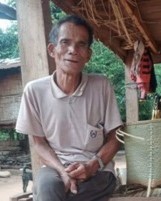
Photo Source:
Anonymous
|
Send Joshua Project a map of this people group.
|
| People Name: | Tamla |
| Country: | Laos |
| 10/40 Window: | Yes |
| Population: | 1,600 |
| World Population: | 1,600 |
| Primary Language: | Ta'oih, Upper |
| Primary Religion: | Ethnic Religions |
| Christian Adherents: | 0.00 % |
| Evangelicals: | 0.00 % |
| Scripture: | Portions |
| Ministry Resources: | No |
| Jesus Film: | No |
| Audio Recordings: | Yes |
| People Cluster: | Mon-Khmer |
| Affinity Bloc: | Southeast Asian Peoples |
| Progress Level: |

|
Introduction / History
The Tamla people are a small ethnic group living in the mountainous regions of Laos. Their identity is rooted in their language, which belongs to the Tai-Kadai family, and their cultural traditions that have been passed down for generations. Historically, they have lived in remote areas, practicing subsistence farming and maintaining strong ties to their land and community. Their history reflects resilience and a deep connection to nature, with limited outside influence until recent decades.
What Are Their Lives Like?
The Tamla people primarily work in agriculture, cultivating rice, corn, and vegetables on terraced fields. Some families raise livestock such as pigs and chickens to supplement their diet and income. Economic opportunities are limited, and many households rely on small-scale trade or seasonal labor.
Family life is communal, with extended families often living together or nearby. Respect for elders and collective decision-making are central values. Hospitality is important, and meals are shared generously during social gatherings.
Food typically includes sticky rice as a staple, accompanied by vegetables, meat, and chili-based sauces. Tea and herbal drinks are common. Celebrations include traditional festivals tied to the agricultural calendar, as well as national holidays. Music, dance, and storytelling play an important role in preserving cultural identity.
What Are Their Beliefs?
The Tamla people are primarily animistic, with traditional beliefs centered on spirits and ancestors. Rituals often involve offerings to maintain harmony with the spiritual world. Some Buddhist influence may be present, but animistic practices remain strong. There is little exposure to Christianity.
What Are Their Needs?
The Tamla people face both physical and spiritual challenges. Many live in poverty, with limited access to education, healthcare, and clean water. Economic opportunities are scarce, and isolation in mountainous areas makes development difficult. Spiritually, most have never heard the message of Jesus Christ in their language. There is a need for workers who can share the gospel with cultural sensitivity and compassion, as well as resources that address practical needs and eternal hope.
Prayer Points
Pray for the Tamla people to encounter Jesus Christ through Scripture, media, and personal relationships in their heart language.
Ask God to raise up workers who will serve among them with humility and cultural understanding.
Pray for improved access to education, healthcare, and sustainable livelihoods for Tamla families.
Intercede for hearts to be open to the transforming power of the gospel, bringing hope and peace to their communities.