Kamsang in Laos
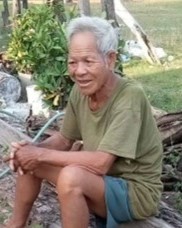
Photo Source:
Anonymous
|
Send Joshua Project a map of this people group.
|
| People Name: | Kamsang |
| Country: | Laos |
| 10/40 Window: | Yes |
| Population: | 1,400 |
| World Population: | 1,400 |
| Primary Language: | Oy |
| Primary Religion: | Ethnic Religions |
| Christian Adherents: | 0.00 % |
| Evangelicals: | 0.00 % |
| Scripture: | Portions |
| Ministry Resources: | No |
| Jesus Film: | No |
| Audio Recordings: | Yes |
| People Cluster: | Mon-Khmer |
| Affinity Bloc: | Southeast Asian Peoples |
| Progress Level: |

|
Introduction / History
The Kamsang live as a tiny, overlooked Mon-Khmer minority in the dense, forested hills of southern Laos, primarily in Xaysomboun Province and the border areas of Khammouane Province. They cluster in scattered villages along steep, jungle-covered ridges, far from paved roads or government outposts.
Oral histories trace their roots to ancient migrations from the east, likely centuries ago, as part of broader Katuic movements fleeing lowland kingdoms. During the Second Indochina War, Kamsang communities endured relentless bombing and chemical defoliation; unexploded ordnance still litters their fields, claiming lives each year. After 1975, the new communist regime pressured many highland groups to relocate, but most Kamsang resisted and retreated deeper into the mountains, preserving their isolation. Today, illegal logging and shifting cultivation bans threaten their fragile existence, forcing young people to seek work in distant towns.
What Are Their Lives Like?
The Kamsang form tight-knit villages of 10–30 households, perched on knife-edge ridges for natural defense and soil access. They build simple stilt houses from bamboo and wild grass, often sharing communal spaces for rituals and storage.
They rely on rotational swidden farming, slashing and burning forest patches to grow upland rice, along with tubers, beans, and wild greens. Men hunt small game and fish jungle streams with handmade traps, while women gather resins, mushrooms, and medicinal herbs for rare cash sales at distant markets. Opium poppies once supplemented income, but government crackdowns have pushed them toward riskier ventures like illegal timber.
The lunar calendar dictates life: planting rites in spring, harvest feasts in fall. Elders—respected village heads—settle disputes through consensus. Marriages happen young, around 16–18, with grooms serving the bride's family for years. Women weave intricate cotton skirts dyed with forest roots, worn daily in remote hamlets. No formal schools exist nearby; children learn oral lore and basic Lao from elders, leaving adult literacy near zero.
What Are Their Beliefs?
The Kamsang embrace an animistic religion, where spirits inhabit every tree, stream, and stone, demanding respect to avert calamity. Village shamans, known as moi toi, lead sacrifices of chickens or pigs at sacred groves to heal the sick or bless crops. Ancestor spirits guard households; families pour rice wine and leave food offerings nightly to keep them content. Illness is viewed as "spirit wrath," cured only through trance rituals where shamans negotiate with the unseen. There is almost no Christian witness among them.
What Are Their Needs?
They need the gospel shared in the Oy tongue—all they have are recordings and some Bible portions. They need liberation from spirit terror, with bold witnesses showing Jesus' dominion over darkness. They need land security as loggers and officials seize forests vital to their survival. Most villages need clean water sources; streams dry up seasonally, and fevers ravage villages.
Prayer Points
Ask Jesus to shatter fear's chains and awaken Kamsang hearts to the one true Spirit.
Pray that Christ appears in dreams to shamans and youth, showing them the way to the Light of the World.
Pray the Lord thrusts out linguists and storytellers.
Pray for bomb-clearing crews to reclaim safe fields and for officials to honor Kamsang land claims.
Pray a vibrant Kamsang church multiplies swiftly, sending their praise to join every nation's chorus before the Lamb.