Antiti in Sudan
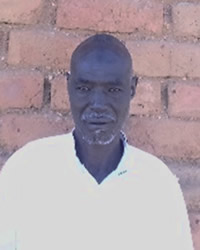
Photo Source:
Lomoraronald - Wikimedia
|
Send Joshua Project a map of this people group.
|

| People Name: | Antiti |
| Country: | Sudan |
| 10/40 Window: | Yes |
| Population: | 18,000 |
| World Population: | 18,000 |
| Primary Language: | Arabic, Sudanese |
| Primary Religion: | Islam |
| Christian Adherents: | 0.00 % |
| Evangelicals: | 0.00 % |
| Scripture: | New Testament |
| Ministry Resources: | Yes |
| Jesus Film: | Yes |
| Audio Recordings: | Yes |
| People Cluster: | Nuba Mountains |
| Affinity Bloc: | Sub-Saharan Peoples |
| Progress Level: |

|
Introduction / History
The Antiti people live in approximately ten large villages in the Nuba Mountains of South Kordofan State in Sudan. They are part of the broader Nuba peoples, a collection of smaller ethnic groups whose identities are closely tied to specific regions and long-established rural traditions. The Antiti speak Sudanese Arabic, which connects them linguistically to wider Sudanese society while maintaining a distinct local identity rooted in their village communities.
What Are Their Lives Like?
The Antiti are primarily agriculturalists. They grow staple crops such as sorghum, sesame, corn, and peanuts, which form the foundation of their diet and local economy. In addition, they raise cattle, sheep, and goats for meat and milk, contributing to both sustenance and income.
Daily life centers on farming, livestock care, and cooperation within the village. Their clustered settlements foster strong family and community ties, with shared labor playing an important role in managing crops and animals in a challenging environment. Life is shaped by seasonal cycles, limited resources, and the need for resilience in a rural setting.
What Are Their Beliefs?
The Antiti people are Sunni Muslims. Islamic belief influences their understanding of God, moral life, and community practices. There is no known Christian presence among them, and exposure to the gospel is extremely limited.
What Are Their Needs?
The Antiti face practical challenges related to limited infrastructure and access to services. Educational opportunities are minimal, with only primary-level schooling available, restricting advancement and long-term development.
Spiritually, they remain unreached. There is little to no access to Scripture or consistent Christian witness. Their rural setting and strong Islamic identity create barriers, yet their village-based structure allows for the possibility of meaningful, long-term engagement by those willing to live among them.
Prayer Points
Pray that the Antiti people would hear and understand the gospel of Jesus Christ and respond in faith.
Ask God to raise up faithful workers who will go to the Antiti and live among them with perseverance and love.
Pray that the Antiti would be adopted through the People Group Adoption program, leading to sustained prayer and intentional gospel outreach.
Pray that, as individuals come to faith, they would grow in maturity and disciple others within their own communities.
References