Tapei in Papua New Guinea
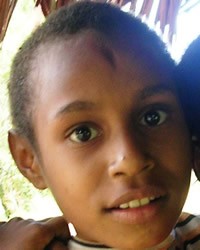
Photo Source:
Anonymous
|
Send Joshua Project a map of this people group.
|
| People Name: | Tapei |
| Country: | Papua New Guinea |
| 10/40 Window: | No |
| Population: | 300 |
| World Population: | 300 |
| Primary Language: | Tapei |
| Primary Religion: | Ethnic Religions |
| Christian Adherents: | 20.00 % |
| Evangelicals: | 2.00 % |
| Scripture: | Translation Started |
| Ministry Resources: | No |
| Jesus Film: | No |
| Audio Recordings: | No |
| People Cluster: | New Guinea |
| Affinity Bloc: | Pacific Islanders |
| Progress Level: |

|
Introduction / History
The Tapei people are a small language group living along the Arafundi River in the East Sepik Province of Papua New Guinea, primarily in the villages of Awim and Imboin. Their language, also called Mem, is part of a small and localized linguistic family, and their remote riverine setting has contributed to their relative isolation. Outside church influence began to reach the Tapei area in the mid-twentieth century, when Catholic workers established a presence and introduced Christian teaching alongside existing traditions.
What Are Their Lives Like?
The daily life of the Tapei people centers on subsistence living shaped by the river and surrounding rainforest, with sago serving as a primary staple food processed from the sago palm and supplemented by garden crops such as bananas and leafy greens. Their environment suggests a lifestyle like other nearby river communities, where fishing, small-scale gardening, and the gathering of forest resources provide most of what is needed for daily survival. Transportation and contact are likely tied to the river system, and community life is centered in small villages where families depend on one another for food production, shelter, and social support. Because of their isolation and limited access to wider infrastructure, many aspects of life, including education and communication, remain localized, and knowledge is often passed down orally within the community.
What Are Their Beliefs?
The Tapei people traditionally follow ethnic religious beliefs that emphasize the presence of spiritual forces in the natural world, a pattern common among many groups in this region. While many Tapei now identify in some way with Christianity due to the influence of church work, this identification is often nominal, and traditional beliefs and practices continue to shape everyday understanding of the spiritual world. Christian teaching is typically shared in Tok Pisin, which is more widely used in church settings, though not everyone has strong fluency in that language, especially among women and children, meaning that spiritual understanding may remain limited or mixed with older beliefs.
What Are Their Needs?
The Tapei people would benefit from deeper access to clear and understandable teaching in their own language, especially through oral methods that match local communication patterns. Bible translation and storytelling resources in the Tapei language would help bridge the gap for those who do not fully understand trade languages used in church contexts. There is also a need for long-term workers who are willing to live among the people, build relationships, and communicate in culturally appropriate ways, helping to nurture genuine understanding rather than nominal identification. Continued support in areas such as literacy, community development, and discipleship could strengthen both spiritual and daily life within the villages.
Prayer Points
Pray that workers would be sent who are prepared to live in remote conditions and learn the Tapei language and culture.
Pray that Scripture and teaching would become available in forms that are easily understood by all members of the community, including those who rely on oral communication.
Pray that those who identify with Christianity would grow in deeper understanding and personal faith.
Pray for unity and peace within the villages and for practical needs to be met in ways that demonstrate care and compassion.