Chippewa in United States
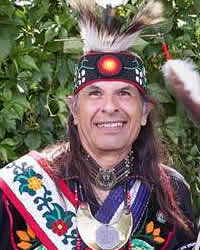
Photo Source:
Carol Highsmith - Library of Congress
Creative Commons
|
Send Joshua Project a map of this people group.
|
| People Name: | Chippewa |
| Country: | United States |
| 10/40 Window: | No |
| Population: | 126,000 |
| World Population: | 126,000 |
| Primary Language: | Chippewa |
| Primary Religion: | Christianity |
| Christian Adherents: | 60.00 % |
| Evangelicals: | 4.00 % |
| Scripture: | New Testament |
| Ministry Resources: | No |
| Jesus Film: | No |
| Audio Recordings: | Yes |
| People Cluster: | North American Indigenous |
| Affinity Bloc: | North American Peoples |
| Progress Level: |

|
Introduction / History
The Chippewa, also called Ojibwe or Anishinaabe, are one of the largest Native American groups in the United States, historically inhabiting regions around the Great Lakes, including parts of Minnesota, Wisconsin, Michigan, and North Dakota. Their language, Chippewa, is part of the Algonquian language family and remains an important cultural cornerstone, though fluency is declining among younger generations.
Traditionally, the Chippewa were semi-nomadic people, skilled in hunting, fishing, wild rice gathering, and crafting birchbark canoes. They played significant roles in the fur trade and resisted displacement through a series of treaties, though their lands were greatly reduced over time. Today, efforts continue to preserve language and cultural heritage.
What Are Their Lives Like?
Many Chippewa people live on reservations or in urban areas across the northern Midwest and Great Lakes region. Community life often revolves around tribal governance, cultural programs, education, and family. Some members work in natural resource management, education, healthcare, and tribal enterprises such as casinos.
Traditional practices such as wild rice harvesting, maple sugaring, and crafts remain vital cultural expressions and sources of livelihood. However, the Chippewa face challenges including poverty, healthcare disparities, and maintaining cultural identity in a modern society. Strong community support networks and revitalization initiatives help foster resilience and hope.
What Are Their Beliefs?
Historically, the Chippewa practiced traditional spirituality centered on a deep respect for nature, the spirit world, and ceremonies such as the Midewiwin (Grand Medicine Society) and sweat lodge rituals. These beliefs emphasized harmony, healing, and the interconnectedness of all life. Today, many Chippewa identify as Christians—predominantly Catholic or Protestant—due to missionary influence over the past centuries. Yet, there is often a blending of Christian faith with traditional spiritual practices and values. Tribal ceremonies and powwows continue to be important cultural and spiritual gatherings that honor both ancestral traditions and contemporary community life.
What Are Their Needs?
There is a pressing need for better healthcare access, mental health resources, and educational opportunities that are culturally sensitive. Economic development remains uneven, with many facing unemployment and poverty challenges.
Spiritually, the Chippewa would benefit from ministries that acknowledge their cultural worldview, while graciously and patiently offering a new identity in Christ. Encouraging indigenous leadership in both church and community roles is vital to lasting transformation. The Chippewa also need the complete Bible faithfully translated in the heart language, as well as more discipleship and outreach materials.
Prayer Points
Pray for God to bring spiritual clarity to the Chippewa people, making a clear distinction between the fullness of following Christ and the emptiness of ethnic religions. Pray for the faithful translation of the complete Bible in their heart language. Pray for indigenous Christian leaders that will rise up in love and compassion among the Chippewa people to boldly proclaim the gospel, make disciples, and wisely shepherd the flock of God. Pray for the Chippewa churches to walk together in love and unity and labor for God's glory.