Mongol, Khalka in Sweden
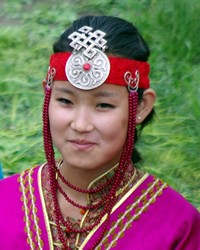
Photo Source:
gradlon - Flickr
Creative Commons
|
Send Joshua Project a map of this people group.
|
| People Name: | Mongol, Khalka |
| Country: | Sweden |
| 10/40 Window: | No |
| Population: | 5,800 |
| World Population: | 2,684,100 |
| Primary Language: | Mongolian, Halh |
| Primary Religion: | Buddhism |
| Christian Adherents: | 3.00 % |
| Evangelicals: | 2.00 % |
| Scripture: | Complete Bible |
| Ministry Resources: | Yes |
| Jesus Film: | Yes |
| Audio Recordings: | Yes |
| People Cluster: | Mongolian |
| Affinity Bloc: | East Asian Peoples |
| Progress Level: |

|
Introduction / History
The Khalka Mongols are part of the larger Mongol ethnic family, historically known for their nomadic heritage and deep roots in Central Asia. Originating primarily from Mongolia, some Khalka Mongols migrated to Kazakhstan during periods of political upheaval and economic transition in the 20th century. The vast majority remain in Mongolia, but some have made their way to settle in six other countries, including Sweden. Mongols living in Sweden represent a small diaspora community, and their lifestyle reflects a blend of traditional Mongolian values and Swedish cultural norms.
What Are Their Lives Like?
Many Mongols in Sweden work in sectors such as healthcare, education, IT, and service industries. Some are students pursuing higher education, while others run small businesses or work in logistics and hospitality. Sweden's strong labor protections and emphasis on work-life balance often influence their professional lives, offering opportunities for stability and integration.
Family remains an important pillar for Mongols, even in Sweden. Extended family gatherings may be less frequent due to migration, but strong ties are maintained through regular communication and cultural traditions. Parents often encourage children to excel in education while preserving Mongolian language and customs at home. Hospitality and respect for elders are values that continue to shape family dynamics.
Recreation often combines Swedish and Mongolian influences. Mongols in Sweden enjoy outdoor activities like hiking, cycling, and winter sports, reflecting Sweden's love for nature. Traditional Mongolian celebrations such as Tsagaan Sar (Lunar New Year) are observed within the community, featuring traditional foods like buuz (dumplings) and milk tea. Social gatherings often include music, dance, and storytelling, helping preserve cultural identity. Some participate in cultural associations that promote Mongolian heritage through festivals and language classes.
What Are Their Beliefs?
The Khalka Mongols in Sweden are primarily Buddhist, with Tibetan Buddhism influencing their spiritual practices. Elements of traditional animistic beliefs and shamanistic customs may also persist, especially in rural areas. While Buddhism shapes their worldview, there is little exposure to the gospel, and Christian presence among them is minimal.
What Are Their Needs?
The Khalka Mongols face both physical and spiritual challenges. Economic opportunities can be limited in rural areas, and access to healthcare and education is often inadequate. Social isolation and cultural preservation concerns affect younger generations. Spiritually, most have never heard the message of Jesus Christ in a way that speaks to their language and culture. There is a need for workers who can share the gospel with sensitivity and compassion, as well as resources that address practical needs and eternal hope.
Prayer Points
Pray for the Khalka Mongols to encounter Jesus Christ through Scripture, media, and personal relationships in their heart language.
Ask God to raise up workers who will serve among them with humility and cultural understanding.
Pray for Khalka Mongols in Kazakhstan to disciple others in the ways of Jesus Christ.
Intercede for hearts to be open to the transforming power of the gospel, bringing hope and peace to their communities.