Kachhia (Hindu traditions) in India
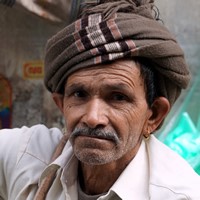
Photo Source:
Copyrighted © 2026
Isudas All rights reserved. Used with permission |
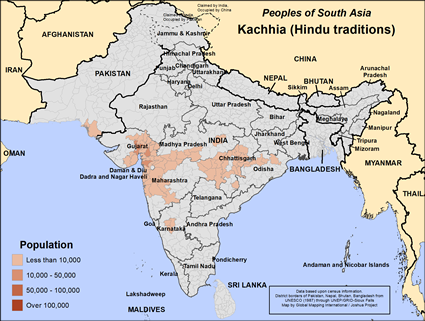
Map Source:
People Group data: Omid. Map geography: UNESCO / GMI. Map Design: Joshua Project.
|
| People Name: | Kachhia (Hindu traditions) |
| Country: | India |
| 10/40 Window: | Yes |
| Population: | 118,000 |
| World Population: | 119,100 |
| Primary Language: | Gujarati |
| Primary Religion: | Hinduism |
| Christian Adherents: | 0.00 % |
| Evangelicals: | 0.00 % |
| Scripture: | Complete Bible |
| Ministry Resources: | Yes |
| Jesus Film: | Yes |
| Audio Recordings: | Yes |
| People Cluster: | South Asia Hindu - other |
| Affinity Bloc: | South Asian Peoples |
| Progress Level: |

|
Introduction / History
The Kachhia are a Hindu community found primarily in western and northern India, especially in Gujarat and neighboring regions. The name "Kachhia" is connected with vegetable cultivation and market gardening, and the community has traditionally been associated with farming, especially the growing and selling of vegetables. In Gujarati usage, the term itself is often understood to mean "vegetable-growers." Many Kachhia families also use the surname Patel, reflecting connections to agricultural landholding and village leadership traditions in parts of western India.
Like many caste-based communities in India, the Kachhia developed within a localized social system where occupation, marriage customs, family identity, and village relationships were closely connected. The community includes various internal divisions based on landholding, economic status, and regional background. Oral traditions, family lineage, and caste councils have historically played important roles in maintaining social order and community identity.
Historically, communities connected with vegetable cultivation occupied an important place within local agricultural economies because they supplied produce to towns, villages, and regional markets. Over time, modernization, migration, education, and urban growth have gradually changed traditional patterns of life among the Kachhia. While many still remain involved in agriculture and produce trading, others now work in transportation, business, education, government service, and urban occupations.
What Are Their Lives Like?
The Kachhia are traditionally skilled farmers and vegetable cultivators. Families commonly grow crops such as onions, potatoes, tomatoes, gourds, peas, chilies, leafy vegetables, and other produce suited to regional climates and local markets. Some families own farmland, while others work as tenant farmers, laborers, or produce traders. Agriculture often requires long hours of physical labor and careful attention to irrigation, weather, and changing market prices.
Village life usually centers around extended family relationships and close community cooperation. Men often oversee farming, transportation, and market activity, while women contribute significantly through planting, harvesting, food preparation, household management, and care for children and elderly relatives. Seasonal festivals, weddings, and religious celebrations remain important occasions for strengthening social bonds and preserving family traditions.
The Kachhia traditionally maintain caste councils that help resolve disputes and oversee marriage and family matters. Widow remarriage is accepted within the community, and divorce is permitted although considered uncommon. These customs distinguish the Kachhia from some more socially restrictive Hindu communities.
Younger generations increasingly move toward cities for education and employment opportunities. This migration has brought economic advancement for some families while also creating pressure on traditional village structures and agricultural lifestyles. Rural families may still face challenges involving debt, uncertain rainfall, water shortages, healthcare access, and fluctuating crop prices.
What Are Their Beliefs?
The Kachhia are Hindus, and Hindu beliefs shape much of their family and community life. Religious practices commonly include temple worship, household rituals, pilgrimages, and observance of major Hindu festivals such as Diwali, Holi, Navratri, and Rama Navami. Worship may focus on gods and goddesses such as Krishna, Shiva, Durga, Hanuman, or regional village deities depending on local tradition.
Like many Hindu communities, the Kachhia combine formal religious practice with local folk traditions. Belief in karma, rebirth, ritual purity, astrology, blessings, curses, and spiritual protection often influences decisions involving marriage, farming, finances, illness, and family wellbeing. Religious identity is closely tied to family tradition, caste relationships, and social expectations.
Some Kachhi and related communities have historically adopted traditions connecting themselves to the Kushwaha or Kachhwaha heritage, linking their ancestry symbolically to the legendary lineage of Kusha, the son of Rama. These traditions are often connected to social identity and historical caste mobility within Indian society.
Very few Kachhia have had meaningful exposure to biblical Christianity. Christianity is often viewed as foreign or outside acceptable caste and family identity. Social pressure and fear of community rejection can make openness to the gospel difficult. They need to hear clearly that forgiveness of sins and reconciliation with God come through Jesus Christ alone rather than through rituals, karma, caste identity, or religious tradition.
What Are Their Needs?
The Kachhia remain largely unreached with the gospel, and there are relatively few known believers among them. Their strong integration into Hindu social structures and caste identity creates barriers to Christian witness. Faithful Christian workers are needed who are willing to build long-term relationships, communicate biblical truth respectfully, and demonstrate the love of Christ through practical service and personal integrity.
Practical needs vary between rural and urban communities. Many agricultural families continue to face economic instability tied to weather conditions, debt burdens, irrigation problems, fluctuating market prices, and limited healthcare access. Younger generations often seek better education and employment opportunities while balancing traditional family expectations and social pressures.
The Kachhia need Scripture resources, discipleship materials, and gospel teaching communicated in culturally understandable ways and local languages. Personal relationships, oral communication, and family-centered ministry may be especially important. Any believers among them would need encouragement, biblical training, and fellowship support because of social and religious pressures connected to caste identity and Hindu tradition.
Prayer Points
Pray that the Kachhia people will hear a clear presentation of the gospel and place their faith in Jesus Christ for salvation.
Pray that God will raise up faithful Christian workers who are willing to serve among the Kachhia with wisdom, humility, patience, and compassion.
Pray that the Kachhia people will be adopted through the People Group Adoption program so that churches and believers will commit to sustained prayer and future gospel outreach among them.
Pray that any believers among the Kachhia will grow strong in biblical truth and boldly share the hope of Christ with their families and communities.