Chalvadi in India
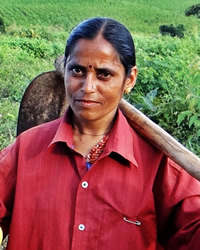
Photo Source:
Sarangib - Pixabay
|
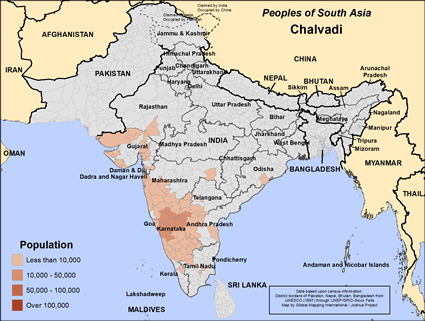
Map Source:
People Group data: Omid. Map geography: UNESCO / GMI. Map Design: Joshua Project.
|
| People Name: | Chalvadi |
| Country: | India |
| 10/40 Window: | Yes |
| Population: | 239,000 |
| World Population: | 239,000 |
| Primary Language: | Kannada |
| Primary Religion: | Hinduism |
| Christian Adherents: | 0.01 % |
| Evangelicals: | 0.00 % |
| Scripture: | Complete Bible |
| Ministry Resources: | Yes |
| Jesus Film: | Yes |
| Audio Recordings: | Yes |
| People Cluster: | South Asia Dalit - other |
| Affinity Bloc: | South Asian Peoples |
| Progress Level: |

|
Introduction / History
The Chalvadi of India are a community with historical roots in the southern regions of the country, particularly in Karnataka and neighboring areas. Their history has been shaped by their position within India's traditional caste-based social structure. The Chalvadi have long been identified with occupations considered low in the caste hierarchy, and as a result, they have experienced social marginalization over many generations. This status has influenced not only their economic opportunities but also their social interactions with other groups.
Traditionally, the Chalvadi were associated with service roles within village society including removing animal carcasses. These roles often included duties related to manual labor, agricultural assistance, and tasks that other communities avoided. Over time, these occupational patterns became closely tied to their identity, reinforcing their place within the local social order.
During the colonial period, broader economic and administrative changes began to affect rural India, including Chalvadi communities. However, many continued to live in villages and rely on traditional forms of labor.
What Are Their Lives Like?
More recently, they have become wage laborers in agricultural operations. Some are employed in government service. Government policies, education, and social reform movements have gradually opened new opportunities for some Chalvadi individuals.
Recreational life among the Chalvadis is generally simple and closely tied to community life. Because many Chalvadi families depend on daily labor and agriculture for survival, leisure time is often limited. However, moments of recreation are found in shared social and cultural activities that strengthen community bonds.
Village gatherings provide an important context for relaxation and enjoyment. In the evenings, after the day's work is complete, people may gather to talk, share stories, and discuss local matters. These informal interactions help maintain strong relationships within the community and provide a sense of belonging.
Children and young people typically engage in simple outdoor games, often using locally available materials. Adults may also find enjoyment in shared activities that accompany their work, such as cooperating in the fields or participating in group tasks, where conversation and companionship turn labor into a social experience.
Weddings and life-cycle ceremonies also serve as important social events, bringing extended families and communities together. These occasions often include singing, dancing, and feasting, providing opportunities for both celebration and recreation.
Festivals and religious celebrations are the most significant occasions for recreation. The Chalvadi, many of whom follow Hindu traditions or other local religious practices, participate in regional festivals that include music, dancing, and communal meals. These events offer a break from daily labor and allow families and neighbors to come together in joyful celebration. Traditional forms of music and dance may be performed, reflecting their cultural heritage and reinforcing group identity.
What Are Their Beliefs?
Chalvadis are Hindus who are dedicated to Lord Shiva. They remind the Lingayat Bania about the full moon and new moon days of the month, so that they could perform the necessary rites to Lord Shiva. They also worship Durgamma, Mariyamma, Hanumantha, Yellamma and Huligamma.
What Are Their Needs?
Many still face economic hardship and social barriers, particularly in rural areas. Their history reflects resilience in the face of longstanding inequality and a continuing effort to improve their social and economic conditions.
Prayer Points
Pray for the Chalvadi community to educate their children, find better employment and enjoy a better standard of living.
Pray for nearby Christians to consistently clothe themselves with compassion, kindness, humility, gentleness and patience and represent Christ well.
Pray for the Holy Spirit to move powerfully to see Chalvadi families and villages accept the warm embrace of the only Savior.
References