Karen, Yinbaw in Myanmar (Burma)
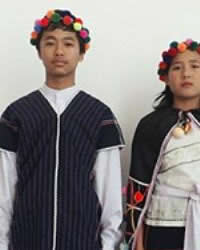
Photo Source:
Asia Harvest-Operation Myanmar
|
Send Joshua Project a map of this people group.
|
| People Name: | Karen, Yinbaw |
| Country: | Myanmar (Burma) |
| 10/40 Window: | Yes |
| Population: | 9,400 |
| World Population: | 9,400 |
| Primary Language: | Yinbaw |
| Primary Religion: | Buddhism |
| Christian Adherents: | 32.00 % |
| Evangelicals: | 25.00 % |
| Scripture: | Unspecified |
| Ministry Resources: | No |
| Jesus Film: | No |
| Audio Recordings: | Yes |
| People Cluster: | Karen |
| Affinity Bloc: | Tibetan-Himalayan Peoples |
| Progress Level: |

|
Introduction / History
The little-known Yinbaw tribe inhabit villages on the Kantarawadi?and Bawlakhe plains in northern Kayah State, especially in Loikaw and Demoso districts. A small number spill over the state border into the Hsi Hseng Township in southern Shan State.
Although they officially have been recognized as a distinct ethnic group in Myanmar for over 120 years, few people know about the Yinbaw tribe. While they acknowledge ancestry with the larger Kayan group, the Yinbaw are almost unique in that they live in the lowlands, while almost all other Karenic groups are renowned for dwelling in high mountains and dense jungles. One source says: "They call themselves Kangan, which means 'plain-dwellers.' Almost nothing else has been recorded about them in historical texts."
The unwritten Yinbaw language is part of the Northern Karenic branch of the Tibeto-Burman family. It is reportedly similar to Kayan and Geko Karen. It continues to enjoy strong use by all members of the tribe, although most Yinbaw are now bilingual in the national language, Burmese.
The area traditionally known as Kantarawadi?was one of the principalities that make up today's Kayah State.?According to local tradition, in ancient times the Yinbaw area was under the authority of a Shan prince. In 1875 the British granted protectorate status to four nearby principalities. Kantarawadi, however, remained independent and without official protection.
What Are Their Lives Like?
Yinbaw women are distinguished by their wearing of black shirts, jackets, and headdresses overlaid by colorful pom-poms that frame their faces. Cowrie shells and old silver rupee coins from India are utilized in elaborate necklaces. Yinbaw men also wear the colorful pom-pom hats and often have more of the decorations sewn onto their shorts. Once a year, between March and May, the Yinbaw celebrate a festival called Kathowbow, which is held to "ensure good luck and prevent famine and illness in the coming year. This custom is also practiced by the Kayah, Kayaw, and Kayan, although in many villages it has often been disrupted by continuing outbreaks of fighting with government forces."
What Are Their Beliefs?
From the time the Yinbaw first arrived in the area, they have practiced animism, placating the spirits by offering animal sacrifices to them to secure peace and prosperity. Many Yinbaw converted to Christianity after the arrival of American Baptist missionaries in the mid-19th century, and today about one-third of the population remain followers of Jesus. Buddhism, however, has gained in prominence as the Yinbaw have been increasingly influenced by strong Buddhist groups such as the Shan, Pa-O, and Burmese.
What Are Their Needs?
The Yinbaw were one of the Karen-related tribes in Myanmar that enthusiastically embraced the gospel when they first heard it because the message aligned with their ancient traditions. Their beliefs included accounts of the creation, the fall of man, and the Tower of Babel where God confused the world's languages. Another legend said: "Our younger brother, the white foreigner, will come to us from beyond the setting sun, and will bring us a golden book, which will teach us the way to happiness and heaven. Our younger brother, when he comes to us, will be clothed in garments of shining black and shining white." Because of the expectations of these tribes, Baptist and Catholic missionaries encountered receptive hearts, and at the time of the 1931 census, 2,213 (75.7%) of Yinbaw people identified as Christians and the rest as animists.
Prayer Points
Ask God to raise up faithful leaders who will teach and model biblical truth.
Intercede for hearts to be fully committed to Jesus and for the Holy Spirit to bring renewal and transformation.
Pray for the Yinbaw people to become an example of what blessings come to communities that submit to the loving Savior.
Pray that Yinbaw believers will grow strong in their faith and become bold witnesses to their neighbors.