Umeda in Papua New Guinea
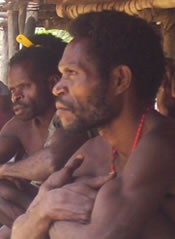
Photo Source:
Andy Minch
|
Send Joshua Project a map of this people group.
|
| People Name: | Umeda |
| Country: | Papua New Guinea |
| 10/40 Window: | No |
| Population: | 600 |
| World Population: | 600 |
| Primary Language: | Umeda |
| Primary Religion: | Christianity |
| Christian Adherents: | 95.00 % |
| Evangelicals: | 16.00 % |
| Scripture: | Translation Needed |
| Ministry Resources: | No |
| Jesus Film: | No |
| Audio Recordings: | No |
| People Cluster: | New Guinea |
| Affinity Bloc: | Pacific Islanders |
| Progress Level: |

|
Introduction / History
The Umeda are an Indigenous people group of Papua New Guinea's northern lowlands, living inland from the Sepik River region in an area marked by dense rainforest, rivers, and seasonal flooding. Their villages are typically small and widely spaced, shaped by the demands of the environment and access to garden land and waterways.
They speak the Umeda language, which remains the primary means of daily communication and cultural transmission. For generations, Umeda identity has been preserved through oral tradition, ritual practice, and close connection to ancestral land. Contact with the outside world increased gradually through trade, government influence, and Christian mission work, bringing substantial religious and social change while leaving core community structures intact.
What Are Their Lives Like?
Umeda life is strongly communal and village?centered. Extended families form the backbone of social organization, with cooperation expected in gardening, food preparation, child?rearing, and construction. Elders are respected as sources of wisdom and play a guiding role in resolving disputes and maintaining social harmony.
Subsistence gardening provides most daily food. Families grow root crops, bananas, and other plants suitable to the rainforest environment, supplemented by hunting and fishing. Daily labor is shaped by the seasons and the landscape, with much work done collaboratively rather than individually. Shared meals remain an important expression of relationship and mutual obligation.
Social interaction is frequent and informal. Conversation, storytelling, and visits between households reinforce community bonds. Church gatherings have become one of the most consistent and unifying forms of public life, providing space for worship, teaching, and social connection.
What Are Their Beliefs?
The Umeda are mostly Christian, with Evangelical faith widely present and openly practiced. Churches are established within their communities and influence moral expectations, family life, and responses to conflict or hardship. Christian belief in Jesus Christ is commonly affirmed, and worship services are a regular part of village rhythm.
At the same time, some Umeda continue to blend Christian faith with traditional ethnic religion. Older beliefs involving spirits, ritual power, and supernatural explanations for illness or misfortune remain influential for certain families. In these cases, trust may be divided between Christ and the spirit world. While Christianity is the dominant religious identity, spiritual depth and confidence vary between individuals and communities.
What Are Their Needs?
Despite strong relationships and an established church presence, the Umeda face significant practical challenges. Medical care is limited and often difficult to access, leaving many illnesses and injuries inadequately treated. Clean water access and sanitation infrastructure are inconsistent, contributing to preventable health concerns.
Educational opportunities are generally basic, with few options for advanced schooling or vocational training. Transportation and communication remain limited, especially during rainy seasons, increasing isolation and restricting access to healthcare, education, and markets. Addressing these needs would strengthen long?term community stability and support the health of local churches.
Prayer Points
Thank God for the widespread Christian faith among the Umeda and for the gospel's ongoing influence in their communities.
Pray that Umeda believers will grow in spiritual maturity, fully trusting Jesus Christ rather than fearing spiritual powers.
Ask the Lord to raise up faithful local leaders who will teach Scripture clearly and disciple the church with wisdom.
Pray that Umeda Christians will actively share the gospel with people groups who lack a strong witness to the Lord of lords.