Tepeth in Uganda
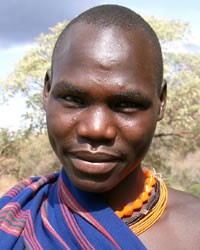
Photo Source:
Terry Singletary
|
Send Joshua Project a map of this people group.
|
| People Name: | Tepeth |
| Country: | Uganda |
| 10/40 Window: | No |
| Population: | 20,000 |
| World Population: | 20,000 |
| Primary Language: | Ng'akarimojong |
| Primary Religion: | Christianity |
| Christian Adherents: | 60.00 % |
| Evangelicals: | 35.00 % |
| Scripture: | Complete Bible |
| Ministry Resources: | Yes |
| Jesus Film: | Yes |
| Audio Recordings: | Yes |
| People Cluster: | Nilotic |
| Affinity Bloc: | Sub-Saharan Peoples |
| Progress Level: |

|
Introduction / History
The Tepeth—also called So or Tepes—live primarily on the slopes of Mount Moroto, as well as the surrounding Moroto, Napak, and Kadam mountain areas in northeastern Uganda.
They are widely regarded as the original inhabitants of the Karamoja plains before being driven into the mountains by other regional groups over time.
Historically, they were hunters and gatherers, but declining wildlife during the 1970s and 1980s forced a shift toward agriculture and pastoralism.
Their language, Soo (So), is a Kuliak language now spoken fluently only by a small number of elders.
What Are Their Lives Like?
Today, the Tepeth practice mixed agro-pastoralism, tending livestock such as cattle and cultivating crops including millet, sorghum, sweet potatoes, maize, cassava, and groundnuts.
Fishing supplements their diet in some areas, particularly where swamps and streams are accessible.
Families typically live in small, scattered mountain villages made up of conical mud-and-wattle structures. Extended families rely on cooperation for cultivating fields, managing herds, and caring for children and elders.
Community celebrations may include traditional dances involving rhythmic movement, whistling, and coordinated lines of men and women facing one another.
Life can be difficult due to limited access to clean water, education, healthcare, and secure transportation routes. Some communities live under threat of cattle raids and violence from surrounding groups such as the Turkana and certain Karamojong clans.
What Are Their Beliefs?
According to available information, Christianity is the primary religious identity among the Tepeth. Traditional beliefs continue to influence daily life, including respect for ancestral spirits and an awareness of spiritual forces connected to the land. These practices coexist to varying degrees with Christian teaching. Spiritual life is deeply intertwined with community survival, moral values, and protection from harm.
What Are Their Needs?
Many Tepeth communities need improved access to clean water, healthcare, electricity, and safe transportation routes.
Ongoing insecurity, including cattle raiding and threats from neighboring groups, limits their ability to settle safely and develop economically.
Linguistically, the Soo language is endangered, leaving cultural knowledge at risk of being lost.
Spiritually, Tepeth believers need sustained discipleship and support to grow in their faith and share it with surrounding communities that have little exposure to the gospel.
Prayer Points
Pray for peace and security so the Tepeth can live and work without fear.
Pray for improved access to clean water, healthcare, and education in Tepeth villages.
Pray that Tepeth Christians will grow in spiritual maturity.
Pray that believing Tepeth will share their faith with neighboring communities.