Scot, Gaelic in United Kingdom
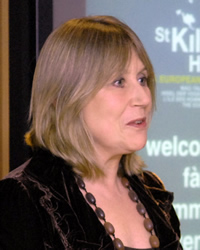
Photo Source:
Proiseact nan Ealan - Flickr
Creative Commons
|
Send Joshua Project a map of this people group.
|
| People Name: | Scot, Gaelic |
| Country: | United Kingdom |
| 10/40 Window: | No |
| Population: | 68,000 |
| World Population: | 69,600 |
| Primary Language: | Scottish Gaelic |
| Primary Religion: | Christianity |
| Christian Adherents: | 60.00 % |
| Evangelicals: | 8.00 % |
| Scripture: | Complete Bible |
| Ministry Resources: | Yes |
| Jesus Film: | Yes |
| Audio Recordings: | Yes |
| People Cluster: | Anglo-Celt |
| Affinity Bloc: | Eurasian Peoples |
| Progress Level: |

|
Introduction / History
The Gaelic Scots trace their heritage to the Gaelic peoples who inhabited Scotland and parts of Ireland in the early Middle Ages. Over centuries the language of the Gaels became dominant in the Scottish Highlands and Islands while the Lowlands shifted toward Scots and English. As Scotland entered the later medieval and modern era, economic, social and linguistic pressures led to decline in Gaelic use, especially after 18th-century and the suppression of the traditional highland cultures.
What Are Their Lives Like?
Many Gaelic-speaking Scots live in remote, rural and island communities where Gaelic remains an everyday language alongside English. Life in these places often involves traditional relationships with land, sea, and local culture - small-scale crofting or fishing, strong communal ties, bilingual schooling and a cultural emphasis on Gaelic music, storytelling and heritage.
However, significant change has come as younger generations increasingly speak English as their primary language, and Gaelic in many areas is used only in cultural or educational contexts rather than as the language of daily life. Urban migration, economic shifts and generational language change all affect this people group. For many Gaelic speakers, identity includes a mix of Gaelic heritage and modern Scottish life, with some feeling the tension of preserving tradition in a highly globalized, English-dominated context.
What Are Their Beliefs?
Historically, Gaelic Scots were part of both the Roman Catholic tradition (particularly in the west Highland areas) and the Presbyterian/Church of Scotland tradition (especially after the Reformation). Today many identify nominally as Christian, though secularization is strong in Scotland and church attendance has declined significantly. Though majority label themselves as Christians, the evangelical believers are a small percentage.
While many have a Christian identity, the depth of gospel engagement may be limited by cultural inertia, traditions of church attendance rather than discipleship, and language-barriers in accessing spiritual resources in Gaelic. Also, the cultural heritage of Gaelic-speaking areas means that faith expression is often wrapped with ethnic and communal practices, which can sometimes obscure clear gospel witness.
What Are Their Needs?
The Gaelic-speaking Scots require ministry that is both culturally and linguistically contextual. First, though the Bible in Gaelic exists in full and modern translations have been released, usage is still limited; many young or urban Scots do not grow up with Gaelic as their heart language, thereby reducing the reach of Gaelic-language gospel materials.
Second, in many Gaelic-speaking communities church life may be more about tradition than mission. There is a need for renewed discipleship, leadership development, and evangelistic vision among Gaelic speakers so that faith is not merely cultural but personally relationship with Jesus Christ as Savior and Lord.
Third, cultural preservation is also a factor: with economic, demographic and language pressures, many Gaelic families feel the loss of their heritage. Integrating gospel witness with affirmation of identity may help younger Gaelic Scots to remain rooted in their heritage and in Christ rather than drift away from both.
Finally, outreach into urbanized and diaspora Gaelic-speaker populations is important. As Scots move to cities or abroad, maintaining community, language links, and gospel connection becomes harder. Ministry models that span rural island settings and urban contexts are needed.
Prayer Points
Pray that God would work in the hearts of the Gaelic to draw them nearer to something more important than their earthly identity, but a heavenly identity through Jesus Christ.
Pray for renewed indigenous leadership among the Gaelic Scots to spread the gospel whilst keeping their mother tongue.
Pray for churches in Gaelic-language regions to move from their rituals and traditions to authentic faith in Jesus Christ.
Pray that the Gaelic would come to truly know Christ and put aside legalistic traditions to add to their salvation.