Sangir, Great Sangir in Indonesia
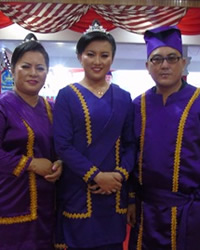
Photo Source:
Alffian - Wikimedia
Creative Commons
|
Send Joshua Project a map of this people group.
|

| People Name: | Sangir, Great Sangir |
| Country: | Indonesia |
| 10/40 Window: | Yes |
| Population: | 298,000 |
| World Population: | 428,000 |
| Primary Language: | Sangir |
| Primary Religion: | Christianity |
| Christian Adherents: | 60.00 % |
| Evangelicals: | 12.00 % |
| Scripture: | Complete Bible |
| Ministry Resources: | Yes |
| Jesus Film: | Yes |
| Audio Recordings: | Yes |
| People Cluster: | Minahasa-Sangir of Sulawesi |
| Affinity Bloc: | Malay Peoples |
| Progress Level: |

|
Introduction / History
The Sangihe Sangir people originate from the Sangir Islands, a volcanic archipelago stretching between the northern tip of Sulawesi in Indonesia and the southern Mindanao region of the Philippines. Historically, the Sangihe Sangir were renowned as skilled mariners and shipbuilders, navigating the deep waters of the Celebes Sea for trade and migration. Their language, Sangir, serves as a strong cultural anchor, binding together a people spread across diverse island chains. Over centuries, their strategic maritime location brought them into contact with various colonial and regional powers, yet they have maintained a distinct identity rooted in their island heritage.
What Are Their Lives Like?
Life for the Sangihe Sangir is deeply connected to the sea and the fertile volcanic soil of their homelands. Fishing is a primary livelihood, with traditional wooden outriggers still a common sight along the coastlines. On land, they cultivate nutmeg, cloves, and coconuts, which have been the backbone of their agricultural economy for generations. Family structure is central to Sangihe Sangir society, characterized by a bilateral kinship system where both maternal and paternal lines are valued. Community life often revolves around mutual assistance, known as mapalus, where neighbors join together for harvest or housebuilding. Festivals are vibrant events featuring traditional dances, like the Gunde, and rhythmic music performed on bamboo instruments, often celebrating harvest or successful maritime voyages.
What Are Their Beliefs?
The Sangihe Sangir primarily identify with Christianity, a faith that has been integrated into their cultural fabric over several centuries. Religious life is a cornerstone of the community, with churches often serving as the primary social and spiritual hubs in Sangihe Sangir villages. Despite this strong Christian identity, traditional worldview elements occasionally influence daily practices, particularly regarding respect for ancestors and the natural world. Scripture is available in the Sangir language, including a complete translation of the Bible, which is used in both liturgy and personal study.
What Are Their Needs?
While the Sangihe Sangir have a long-standing Christian heritage, there is a profound need for spiritual revitalization and deeper discipleship. In some areas, faith can become traditional or nominal, necessitating a fresh encounter with the heart of the Gospel. Socially, the remote nature of the Sangir Islands poses challenges for consistent access to higher education and advanced medical facilities. The youth face the pressure of migrating to urban centers for work, which can strain traditional family structures and the continuity of local church leadership. There is a need for sustainable economic development that allows the Sangihe Sangir to flourish within their own cultural and geographic context.
Prayer Points
Pray for a spiritual awakening among the Sangihe Sangir, that their long-standing faith would be marked by personal devotion and a vibrant relationship with Christ.
Pray for the strengthening of Sangihe Sangir families, especially those separated by labor migration, that they would remain grounded in biblical principles.
Pray for local church leaders and pastors to be equipped with wisdom and passion to mentor the next generation.
Pray for the Sangihe Sangir believers to develop a missionary vision, reaching out to neighboring groups and island communities with the message of hope.
Pray for the translation and distribution of digital and audio-visual resources in the Sangir language to bolster biblical literacy.