Rawang in Myanmar (Burma)
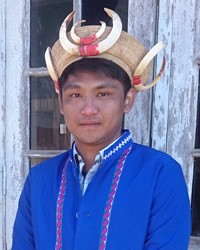
Photo Source:
Asia Harvest-Operation Myanmar
|
Send Joshua Project a map of this people group.
|
| People Name: | Rawang |
| Country: | Myanmar (Burma) |
| 10/40 Window: | Yes |
| Population: | 72,000 |
| World Population: | 72,700 |
| Primary Language: | Rawang |
| Primary Religion: | Christianity |
| Christian Adherents: | 90.00 % |
| Evangelicals: | 45.00 % |
| Scripture: | Complete Bible |
| Ministry Resources: | Yes |
| Jesus Film: | Yes |
| Audio Recordings: | Yes |
| People Cluster: | Miri-Kachin |
| Affinity Bloc: | Tibetan-Himalayan Peoples |
| Progress Level: |

|
Introduction / History
Rawang people live in Kachin State in the northernmost part of Myanmar, where the country meets southwest China and northeast India. The Rawang dwell amid a dramatic landscape, surrounded by huge snowcapped Himalayan mountains and deep valleys. Numerous rare bird species are found in this diverse area, which is the only place on earth where black orchids grow. The Rawang are primarily found in the five townships that make up Putao District, while others live across the border in Chinese-controlled Tibet, where they call themselves "Zerwang." Additional Rawang people (speaking the Kunglang dialect) live in Arunachal Pradesh, India, but they have been cut off from the Rawang in Myanmar since the 1950s.
Traditionally, Rawang communities consist of five major clan divisions that are said to be of Mongolian descent. The Rawang were a little-known group until their population flourished in the 19th century during British rule. In China, where they straddle the border between Tibet and Yunnan Province, the Rawang have been officially included as part of the Derung minority, although their languages are distinct. In the past, scholars claimed the Rawang in Myanmar consisted of between 75 and 100 dialect groups, but most of the names in those lists were village or geographic names, with many communities adopting the name of the river they live nearby.
The Rawang language, which is now said to contain seven dialects in Myanmar and is part of the Nungish branch of the Tibeto-Burman family, enjoys widespread use in their communities. The Bible was translated into the Matwang dialect, helping it to become the lingua franca among the Rawang. It is spoken "at home, in education, farming, church, and Gospel radio broadcasts." The closer a Rawang dialect is to the Tibetan border, the more difficult it is for other Rawang to understand it. Many Rawang can also speak Kachin Jingpo or Lisu, while many youths have been educated in Burmese. Literacy in the Rawang script is declining, with Rawang literature now used mostly in church meetings.
For centuries the Rawang visited their relatives by walking for days across the mountains, but some communities are cut off most of the year because of snow. In the past, each Rawang clan reportedly had a shaman who directed warfare and settled disputes. The clans were "politically separate entities, which formed political alliances in times of danger from other communities."
What Are Their Lives Like?
Many of the Rawang in China have intermarried with Tibetans and formed mixed communities. Rawang men, who are renowned for their hunting skills, "wear cane hats decorated with the tusks of wild boars. The dominant color of their dress is black. Both sexes usually wear small cane rings around the upper calf area of their legs. In older days, everybody wore earrings of either silver or brass."
What Are Their Beliefs?
A mass movement to Christ among the Rawang in Myanmar is one of the greatest mission stories of the 20th century. It is said that when the Morse family started ministering to them there were no Rawang Christians, but by the time the Morses were forced to leave Myanmar in the 1960s there were just a few old men who were not believers.
What Are Their Needs?
In 1996, several members of the Morse family, who are now based in Thailand, returned to the Rawang area in Myanmar for the first time in 30 years. They attended a convention at which 60,000 Rawang Christians met for worship and fellowship. There were few dry eyes as the older Rawang thanked the missionaries for their love and commitment to bring the gospel to their people. Today, practically all Rawang families in Myanmar are Christians. Largely because of the Morse family's labors, the Rawang have the Bible, the Jesus film, and their own Christian radio broadcasts in their language.
Prayer Points
Pray that the Rawang people will become part of God's plan to bring every tribe and tongue into his kingdom.
Pray for a radical spiritual transformation in their families, churches, and communities.
Pray for the Holy Spirit to use Rawang Christians to do miraculous things, drawing others to Christ.
Intercede for freedom from fear of spirits and for hearts open to the hope found in Christ.