Petats in Papua New Guinea
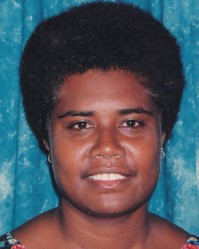
Photo Source:
Judith Gabong
|
Send Joshua Project a map of this people group.
|
| People Name: | Petats |
| Country: | Papua New Guinea |
| 10/40 Window: | No |
| Population: | 8,000 |
| World Population: | 8,000 |
| Primary Language: | Petats |
| Primary Religion: | Christianity |
| Christian Adherents: | 96.00 % |
| Evangelicals: | 20.00 % |
| Scripture: | Portions |
| Ministry Resources: | No |
| Jesus Film: | No |
| Audio Recordings: | Yes |
| People Cluster: | New Guinea |
| Affinity Bloc: | Pacific Islanders |
| Progress Level: |

|
Introduction / History
The Petats are an island-dwelling people living in the northern part of Papua New Guinea, primarily associated with small islands off the coast of Bougainville. Their environment is shaped by the sea, coral reefs, and tropical vegetation, which have influenced both their livelihood and cultural development. As with many coastal and island communities in this region, their history is closely tied to migration, trade, and interaction with neighboring groups across the water.
The Petats speak their own Austronesian language, which is central to their identity and daily communication. Oral tradition has preserved their history, including accounts of ancestral origins and settlement patterns. Over time, contact with missionaries and colonial influences brought significant changes, particularly in the area of religion. Despite these outside influences, the Petats have retained many aspects of their traditional culture, blending them with newer practices.
What Are Their Lives Like?
Life among the Petats is strongly connected to both land and sea. Fishing plays a major role in their daily sustenance, with men often venturing into nearby waters using small boats or canoes. Reef fishing, net fishing, and line fishing are common methods. On land, gardening provides staple foods such as taro, sweet potatoes, coconuts, and bananas. This combination of marine and agricultural resources creates a balanced subsistence lifestyle.
Family life is communal and relational. Extended families often live near one another, sharing responsibilities and resources. Respect for elders remains important, and community decisions are frequently guided by local leaders or respected figures. Social ties are reinforced through gatherings, feasts, and cooperative work.
Cultural expression includes music, dance, and storytelling, often performed during celebrations or important events. Shells, woven materials, and natural dyes are used for decoration and traditional attire. While modern influences such as schooling, churches, and limited trade have reached many Petat communities, their daily rhythms still reflect a close connection to nature and community life.
What Are Their Beliefs?
The Petats are almost entirely identified with Christianity, a result of long-standing missionary influence in their region. Churches are an established part of village life, and Christian practices such as worship services, prayer, and observance of Christian holidays are widely recognized. For many, Christian identity is an important part of both personal and communal life.
At the same time, elements of traditional belief systems may still be present beneath the surface. Older ideas about spirits, ancestral influence, or unseen forces can persist, especially in times of crisis or uncertainty. In some cases, these beliefs are held alongside Christian teaching rather than fully replaced by it.
Even so, the widespread identification with Christianity provides a strong foundation for spiritual growth. The name of Jesus Christ is known, and there is an established framework through which biblical teaching can be deepened. The opportunity remains for faith to move beyond identification into a fully grounded and transformative relationship with Christ.
What Are Their Needs?
Although the Petats have more exposure to outside influences than many inland groups, they still face practical challenges. Access to healthcare can be limited, particularly for those living on smaller or more isolated islands. Medical facilities may require travel by boat, which is not always reliable.
Education is available in some areas, but resources can be limited, especially at higher levels. Strengthening educational opportunities would help equip younger generations with skills for both local leadership and broader engagement. Clean water and sanitation systems may also need improvement in certain communities.
Economic opportunities are often restricted, with many families relying on subsistence living. Increased access to markets, sustainable development initiatives, and infrastructure improvements could help strengthen their overall well-being while preserving their cultural identity.
Prayer Points
Pray that the Petats' widespread Christian identity would deepen into a strong, personal faith in Jesus Christ.
Pray for biblically grounded leaders who can disciple their communities and teach God's Word clearly.
Pray that Petat believers would be equipped and sent out to share the gospel with other groups who have little or no access to it.
Pray for improved healthcare, education, and sustainable livelihoods for Petat communities.