Pashtun, Southern in Switzerland
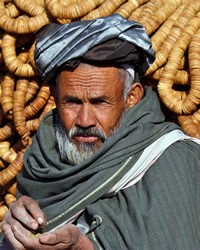
Photo Source:
chiplanay - Pixabay
|
Send Joshua Project a map of this people group.
|
| People Name: | Pashtun, Southern |
| Country: | Switzerland |
| 10/40 Window: | No |
| Population: | 7,100 |
| World Population: | 9,807,900 |
| Primary Language: | Pashto, Southern |
| Primary Religion: | Islam |
| Christian Adherents: | 2.00 % |
| Evangelicals: | 1.00 % |
| Scripture: | Portions |
| Ministry Resources: | Yes |
| Jesus Film: | Yes |
| Audio Recordings: | Yes |
| People Cluster: | South Asia Muslim - Pashtun |
| Affinity Bloc: | South Asian Peoples |
| Progress Level: |

|
Introduction / History
The Pashtun of Afghanistan and Pakistan have been called the largest Muslim tribal society in the world. They were the rulers of Afghanistan for over 250 years and still have much power through the Taliban. There are at least 30 major tribes, and countless sub-tribes and clans. Each clan can be friendly or hostile towards members of another particular clan, adding more divisions.
Pashtuns share a unique sense of common identity. Pashtun identity is based on four elements: Heritage (descent from a common ancestor); Islam, the Pashtunwali Code of Honor ("The Way of the Pashtun"); and to some extent, Language (Pakhtu or Pashto). Their common culture is what binds the Pashtun people together. More significant than dialectical differences, a Pashtun's primary loyalty is to his particular social group (tribe or sub-tribe).
However, different languages pose communication differences. Southern Pashto speakers live primarily in Afghanistan and Pakistan, though there is a significant Pashtun diaspora in the Arab Gulf and many Western countries. Those who speak the Southern Pashtun language live in a total of 13 countries including Switzerland. Many live in urban centers such as Zurich, Geneva, and Basel, often in modest apartments.
What Are Their Lives Like?
Many Southern Pashtuns in Switzerland arrived as asylum seekers or refugees, especially during recent Afghan crises. Employment is often delayed due to language barriers (German, French, or Italian), credential recognition issues, and legal restrictions during asylum processing. Once integrated, they typically work in hospitality, construction, cleaning services, or logistics, while younger generations aim for education and skilled professions. Swiss integration programs (language courses, vocational training) are crucial for improving job prospects.
Families tend to be close-knit, maintaining Pashtunwali values like hospitality (melmastia) and honor (nang). Children adapt faster through schooling, often becoming bilingual (Pashto and the local language), while parents struggle more with integration.
Community life revolves around informal gatherings, tea sessions, and celebrating Islamic festivals (Eid, Ramadan). Cultural associations and Afghan diaspora groups organize Pashto language classes, sports activities (football, cricket), and cultural nights featuring music and traditional food. Social media and messaging apps help maintain ties with relatives abroad and share cultural content.
What Are Their Beliefs?
Southern Pashtuns are solidly Sunni Muslim. However, their devotion to Islam sometimes gets overshadowed by their belief in Pashtunwali, their tribal moral code.
What Are Their Needs?
Family reunification is a major concern, but Swiss immigration rules make this process slow and financially demanding.
The greatest barriers to faith are social and cultural. Pashtuns almost always identify as Sunni Muslims. They will be married in a Sunni mosque, and to be associated with another religious system would be unacceptable in their community. Those who want to take Christ to the Pashtuns will need to do just that; take Christ to them, not a religious system. Since Jesus Christ personifies absolute holiness, those who face injustice and harsh lives might be drawn to him, if they had the chance to hear. Their code of honor, Pashtunwali, is also central to their belief system.
Prayer Points
Pray for the production and distribution of all forms of media in the Pashto language, including literature, videos, music, movies, radio, websites, and social media.
Pray for accuracy in the Bible translations in progress.
Pray for more workers to serve the Southern Pashtun people—in education, business, healthcare, development and other professional areas.
Pray for God's Spirit to strengthen and protect new believers and to empower their lives and witness.
Pray for Pashtun religious and family leaders to have dreams of the only Savior, drawing them to truth and righteousness.