Lendu in Uganda
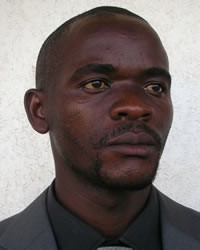
Photo Source:
Anonymous
|
Send Joshua Project a map of this people group.
|
| People Name: | Lendu |
| Country: | Uganda |
| 10/40 Window: | No |
| Population: | 20,000 |
| World Population: | 1,944,000 |
| Primary Language: | Lendu |
| Primary Religion: | Christianity |
| Christian Adherents: | 80.00 % |
| Evangelicals: | 31.00 % |
| Scripture: | Complete Bible |
| Ministry Resources: | Yes |
| Jesus Film: | Yes |
| Audio Recordings: | Yes |
| People Cluster: | Sudanic |
| Affinity Bloc: | Sub-Saharan Peoples |
| Progress Level: |

|
Introduction / History
The Lendu are an ethnic group primarily found in the northeastern Democratic Republic of Congo, with some communities living across the border in northwestern Uganda. They speak a Central Sudanic language and are historically known as farmers and hunters. The Lendu have a long tradition of clan-based organization and strong ties to their land. Colonial influence and later conflicts in the Great Lakes region have affected their social structure and stability, leading to displacement and hardship for many families.
What Are Their Lives Like?
Lendu communities live in fertile regions where agriculture is the main source of livelihood. They grow crops such as millet, sorghum, maize, beans, and cassava. Families are extended, and kinship ties are central to social life. Traditional homes are often constructed from mud and thatch, though modern materials are increasingly used. Meals typically include porridge made from millet or sorghum, beans, and vegetables, with meat reserved for special occasions. Education is valued, but rural areas often lack adequate schools and resources. Many Lendu have faced instability due to regional conflicts, which has disrupted farming and family life.
What Are Their Beliefs?
The Lendu traditionally practiced animism, with beliefs centered on ancestral spirits and nature deities. Rituals for fertility, rain, and protection were common. Today, most Lendu identify as Christians due to missionary influence, while others maintain traditional practices. Even among Christians, cultural customs such as consulting diviners or participating in clan rituals may persist. Religion remains deeply integrated into community life. However, they have a strong church, and they can be Christ's ambassadors to a dying world.
What Are Their Needs?
The Lendu face significant challenges related to poverty, displacement, and lack of infrastructure. Access to healthcare, clean water, and education is limited in rural areas. Economic dependence on agriculture makes them vulnerable to climate change and regional instability.
Spiritually, while many identify as Christians, there is a need for deeper discipleship and biblical teaching to strengthen faith and reduce syncretism. Communities also need peacebuilding initiatives and support for trauma recovery.
Prayer Points
Pray for Lendu believers to grow strong in their faith and become a light in their communities and to local Muslims.
Ask God to provide peace and stability in regions affected by conflict.
Pray for improved access to education, healthcare, and clean water for Lendu families.
Intercede for holistic outreach that addresses both physical and spiritual needs.