Koma in Nigeria
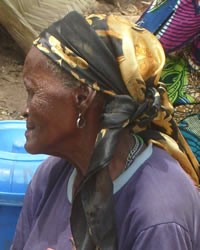
Photo Source:
Climbing For Christ
|
Send Joshua Project a map of this people group.
|
| People Name: | Koma |
| Country: | Nigeria |
| 10/40 Window: | Yes |
| Population: | 72,000 |
| World Population: | 81,700 |
| Primary Language: | Koma |
| Primary Religion: | Ethnic Religions |
| Christian Adherents: | 30.00 % |
| Evangelicals: | 7.00 % |
| Scripture: | Portions |
| Ministry Resources: | Yes |
| Jesus Film: | No |
| Audio Recordings: | Yes |
| People Cluster: | Adamawa |
| Affinity Bloc: | Sub-Saharan Peoples |
| Progress Level: |

|
Introduction / History
Koma in Nigeria are a distinct highland people of northeastern Nigeria, especially associated with the Alantika Mountains along the border with Cameroon in Adamawa State. Reliable outside sources consistently place them in the mountain belt around Jada and the old Ganye Chiefdom area, where they have preserved a separate identity despite pressure from stronger surrounding populations. Their communities are part of a broader Koma-speaking world that extends across the Nigeria–Cameroon border, but this profile concerns those on the Nigerian side.
Their history is marked by geographic separation and cultural persistence. The Koma are widely described as a hill-dwelling people whose mountain settlements helped preserve their customs, social structures, and religious life over generations. Outside sources note that they became formally recognized within Nigeria after the post-independence settlement of the old Northern Cameroons border region, which helps explain why their identity spans both sides of the international boundary while remaining rooted in the same mountain homeland.
Their language is Koma, but that name refers to a cluster of closely related varieties rather than a single uniform speech form. Reliable outside linguistic sources identify the Koma language cluster in Nigeria and Cameroon as part of the Duru branch of the wider Savanna languages. These sources note local varieties connected with subgroup names such as Damti, Kadam, and Ndera, which helps explain why Koma identity includes related mountain and lowland branches while still remaining one broader people. In practice, many Koma likely use their own speech in family and village settings while also encountering Hausa, Fulfulde, or other regional languages in trade and wider public life.
What Are Their Lives Like?
Koma in Nigeria traditionally live in rugged mountain communities in the Alantika range of Adamawa State, near the Cameroon border. Outside sources describe them as a hill-dwelling people with settlements spread across steep slopes and highland ridges rather than concentrated in major towns. This mountain setting has historically shaped nearly every part of life, including housing, farming, travel, trade, and community relationships. Some Koma also live in lower areas near the mountain base, but the highland setting remains central to their identity.
Their livelihood is best understood as village-based and agricultural. Public descriptions of the Koma consistently portray them as farming people who also gather resources and, in some areas, keep animals. In mountain settings like theirs, families commonly depend on crops suited to upland conditions, household labor, and periodic movement to lowland markets for goods they cannot produce themselves. The mountain environment also means that transportation, schooling, health access, and regular contact with outside institutions can be difficult compared with lowland communities.
What Are Their Beliefs?
Koma in Nigeria primarily follow ethnic religion, though some identify with Christianity. Their traditional religious life is tied to inherited beliefs about spiritual forces, local powers, and community-based ritual obligations. In settings like this, religion is often not just personal belief but a whole framework for understanding fertility, protection, sickness, misfortune, and social order. These beliefs can be deeply embedded in family and village life, and they often carry a strong fear of spiritual consequences if traditional practices are abandoned.
Some among the Koma have had Christian exposure, and some may identify as Christian, but that should not be confused with widespread biblical discipleship. In a people group like this, Christian profession can exist alongside older spiritual fears or inherited ritual patterns. They need the clear gospel of Jesus Christ and the truth that He alone is Lord over sin, fear, death, and every spiritual power. Scripture portions are available in their language.
What Are Their Needs?
Koma in Nigeria need clear and faithful gospel witness that reaches them in ways suited to mountain life, close-knit village structures, and a people whose identity has long been preserved through separation from surrounding cultures. Because their communities are geographically difficult to access, they may be easy to overlook or reach only superficially. They need patient, relational ministry that is willing to go where they live, learn how their communities function, and present Christ with humility and biblical clarity.
Because traditional religion appears deeply rooted among them, those who come to faith in Christ may face pressure from relatives, elders, or neighbors who fear the abandonment of ancestral ways and spiritual protections. New believers need careful teaching from Scripture so they can understand the lordship of Christ over spirits, ritual obligations, fear, and inherited customs. They also need strong local fellowship, wise pastoral care, and faithful discipleship that helps them stand firm without returning to old patterns.
Their mountain setting also creates practical barriers. Travel can be difficult, and regular access to education, medical care, transportation, and consistent biblical teaching may be limited in remote settlements. Prayer for these practical needs is fitting when joined to a desire that the gospel would be clearly understood, that believers would mature, and that faithful local churches would grow strong among them.
Prayer Points
Pray that Koma in Nigeria would hear a clear and faithful witness to Jesus Christ and come to trust him as Savior and Lord.
Pray that fear of spirits, inherited ritual obligations, and every form of spiritual bondage would be broken by the power of Christ.
Pray for open doors into mountain villages and family networks, so the gospel would be welcomed and understood with clarity.
Pray for those who begin to follow Christ to stand firm if they face pressure from relatives, elders, or community traditions.
Pray for faithful believers and church leaders who can patiently disciple new Christians and help establish strong local fellowships in remote highland communities.
Pray for practical help where needed in areas such as transportation, medical access, education, and regular connection to strong biblical teaching in mountain settlements.