Gofa in Ethiopia
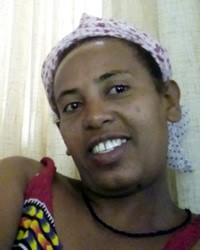
Photo Source:
Anonymous
|
Send Joshua Project a map of this people group.
|
| People Name: | Gofa |
| Country: | Ethiopia |
| 10/40 Window: | Yes |
| Population: | 715,000 |
| World Population: | 715,000 |
| Primary Language: | Gofa |
| Primary Religion: | Christianity |
| Christian Adherents: | 88.00 % |
| Evangelicals: | 61.02 % |
| Scripture: | Complete Bible |
| Ministry Resources: | Yes |
| Jesus Film: | Yes |
| Audio Recordings: | Yes |
| People Cluster: | Omotic |
| Affinity Bloc: | Horn of Africa Peoples |
| Progress Level: |

|
Introduction / History
The Gofa are an indigenous people of southwestern Ethiopia, living primarily in the former Gamo-Gofa area of today's South Ethiopia Regional State. They speak Gofa, an Omotic language within the Afro-Asiatic language family. Their language is well established in both spoken and written forms and continues to play an important role in preserving their identity and transmitting their traditions across generations.
The origin of the name "Gofa" is commonly linked to an expression meaning "emerged from the land," though other traditions associate it with early clan settlements or a prominent military leader. Historical accounts describe the Gofa as migrating southward in search of fertile land, where they eventually established permanent communities and developed their own social structures. Over the centuries, they have maintained a distinct ethnic identity while interacting closely with neighboring Omotic-speaking peoples.
What Are Their Lives Like?
The Gofa inhabit a fertile highland region where farming provides the foundation of daily life. Families cultivate crops such as maize, enset (false banana), barley, wheat, and root crops, while cattle, sheep, and goats are also raised to support household livelihoods. Agricultural seasons shape community routines, and cooperation among relatives is especially important during planting and harvest.
Family relationships are central to Gofa society. Their kinship system is notably complex, particularly in the way relationships between cousins are understood and maintained. Respect for elders, mutual support within extended families, and community participation remain highly valued. Weddings, harvest celebrations, and other communal gatherings are often marked by traditional music, dancing, and shared meals that reinforce social bonds.
What Are Their Beliefs?
Most Gofa identify as Christians, and many actively participate in evangelical or other Christian churches. At the same time, some continue to place their trust in traditional religious beliefs involving spiritual powers, rituals, and practices that are believed to influence health, protection, and everyday life. These beliefs may exist alongside Christian profession rather than being completely abandoned.
The Gofa have access to the complete Bible in their own language, providing a strong foundation for spiritual growth and discipleship. Even so, there remains a need for continued biblical teaching so that believers grow in wholehearted devotion to Jesus Christ and faithfully share the gospel with neighboring peoples. Scripture teaches that salvation and eternal life are found through faith in Jesus Christ alone.
What Are Their Needs?
Many Gofa communities continue to face practical challenges, including limited access to clean water, quality healthcare, and educational opportunities, particularly in rural areas. Strengthening agricultural resources, water infrastructure, and community development initiatives would improve the well-being of many families.
Spiritually, the Gofa need continued discipleship, strong Bible-centered churches, and encouragement to use the gifts and resources God has given them to help bring the gospel to less-reached peoples throughout Ethiopia and beyond.
Prayer Points
Pray that Gofa believers will grow in spiritual maturity and wholehearted obedience to Jesus Christ.
Pray that the Gofa churches will be strengthened and become a missionary force among less-reached peoples.
Pray for improved access to clean water, healthcare, education, and sustainable livelihoods.
Pray that God's word in the Gofa language will continue to transform lives and produce faithful disciples.