Enga, Endakali in Papua New Guinea
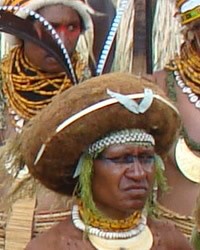
Photo Source:
Anonymous
|
Send Joshua Project a map of this people group.
|
| People Name: | Enga, Endakali |
| Country: | Papua New Guinea |
| 10/40 Window: | No |
| Population: | 440,000 |
| World Population: | 440,000 |
| Primary Language: | Enga |
| Primary Religion: | Christianity |
| Christian Adherents: | 97.00 % |
| Evangelicals: | 23.00 % |
| Scripture: | New Testament |
| Ministry Resources: | Yes |
| Jesus Film: | Yes |
| Audio Recordings: | Yes |
| People Cluster: | New Guinea |
| Affinity Bloc: | Pacific Islanders |
| Progress Level: |

|
Introduction / History
The Enga, sometimes referred to as Endakali, are a highland people of central Papua New Guinea, primarily concentrated in Enga Province. They belong to the Trans–New Guinea language family, and the Enga language is one of the most widely spoken indigenous languages in the country.
Historically, Enga society developed in the mountainous interior, where geographic isolation shaped strong clan identities and localized governance systems. Social organization traditionally revolves around kinship networks and land stewardship. Anthropological studies of the Highlands region describe intricate exchange systems, ceremonial gatherings, and inter-clan alliances that have long structured Enga community life.
What Are Their Lives Like?
Today, while roads and communication networks have increased connection to urban centers, many Enga communities still reflect patterns rooted in highland tradition.
Enga life remains deeply communal. Extended families live in close proximity, and clan identity continues to shape social belonging. Agriculture forms the backbone of livelihood, with families cultivating sweet potatoes and other staple crops while raising pigs, which hold both economic and ceremonial importance.
Public gatherings, festivals, and sing-sing celebrations preserve artistic traditions through body decoration, dance, and music. Elders often retain respected advisory roles, even as younger generations engage more with education and national structures.
In rural settings, daily rhythms center around gardening, animal care, church gatherings, and communal events. Though modernization has introduced new economic opportunities, village life remains relational and collective.
What Are Their Beliefs?
Christianity is the predominant religious identity among the Enga. Churches are visible and active across the province, and Christian worship forms part of weekly community rhythm.
The New Testament is available in the Enga language, and translation efforts toward a complete Bible have been ongoing through organizations such as Wycliffe Bible Translators and SIL International. Audio Scripture resources and recorded Bible stories are also available through ministries such as Global Recordings Network.
While Christian faith is widespread, cultural identity and traditional worldview elements continue to influence community life in some areas. As with many historically evangelized societies, depth of discipleship varies from nominal affiliation to committed faith.
What Are Their Needs?
The Enga church benefits from continued strengthening in biblical literacy, leadership development, and theological training for pastors and lay leaders. Rural congregations can face challenges in accessing formal ministry education. Younger generations navigating social change need grounded discipleship that connects Scripture to daily life and emerging economic realities.
As one of the larger and more established Christian populations in Papua New Guinea, Enga believers are also positioned to participate in cross-cultural mission to neighboring language groups with limited gospel access.
Prayer Points
Pray that Enga believers would grow in deep understanding and faithful application of Scripture.
Pray for biblically grounded pastors and teachers to shepherd churches wisely.
Pray for unity across clans and congregations that reflects Christ's love.
Pray for strong discipleship among youth navigating cultural transition.
Pray that Enga Christians would carry the gospel to neighboring peoples with little access to Scripture.