Eipomek in Indonesia
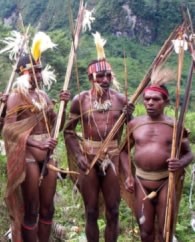
Photo Source:
Phil Janofski
|
Send Joshua Project a map of this people group.
|
| People Name: | Eipomek |
| Country: | Indonesia |
| 10/40 Window: | Yes |
| Population: | 5,100 |
| World Population: | 5,100 |
| Primary Language: | Lik |
| Primary Religion: | Christianity |
| Christian Adherents: | 65.00 % |
| Evangelicals: | 5.00 % |
| Scripture: | Complete Bible |
| Ministry Resources: | Yes |
| Jesus Film: | Yes |
| Audio Recordings: | Yes |
| People Cluster: | New Guinea |
| Affinity Bloc: | Pacific Islanders |
| Progress Level: |

|
Introduction / History
The Eipomek people live in the rugged highlands of Papua, Indonesia. Their name comes from the valley where they are concentrated, a place marked by steep mountains and isolated terrain. Historically, the Eipomek have lived in small, scattered villages, relying on subsistence farming and hunting. Contact with outsiders has been limited until recent decades, when missionaries and government workers began to reach their communities. Their oral traditions and stories reflect a deep connection to the land, with ancestors remembered through rituals and clan identity.
What Are Their Lives Like?
Daily life among the Eipomek centers on subsistence agriculture, with sweet potatoes, taro, and bananas forming the staple diet. Men often hunt wild pigs and birds, while women tend gardens and care for children. Families live in simple huts made of wood and thatch, clustered together in small settlements. Social life is organized around clans, and kinship ties are strong, with decisions often made collectively.
Celebrations include communal feasts, dances, and exchanges of food, especially during harvest or after successful hunts. Marriage is arranged within clan structures, and bride wealth may involve pigs or other valuable items. Food is shared generously, reflecting the communal spirit of the people.
What Are Their Beliefs?
The Eipomek people have been influenced by Christianity, but traditional animistic beliefs remain strong. Many still hold to ancestral practices, believing in spirits tied to the land, rivers, and forests. Rituals are performed to ensure fertility, protection, and success in hunting. Christianity has made inroads, with some communities identifying as Christian, but syncretism is common, blending biblical teaching with traditional practices. The gospel has been introduced, yet discipleship and deep understanding of Scripture are limited.
What Are Their Needs?
The Eipomek people face both spiritual and physical challenges. Isolation makes access to education, healthcare, and economic opportunities difficult. Many villages lack basic medical care, and preventable diseases remain a threat. Spiritually, there is a need for clear teaching of the Bible, discipleship, and leadership development within the local church. Without strong Christian leadership, syncretism and confusion about the gospel persist. The Eipomek need encouragement to see themselves not only as recipients of the gospel but also as participants in God's mission to bless all nations.
Prayer Points
Pray that the Eipomek will grow in their understanding of Jesus Christ and embrace him fully as Lord.
Pray that local believers will be strengthened to become part of the mission force, reaching neighboring groups with the gospel.
Pray for physical needs such as healthcare, clean water, and education, so that communities can flourish.
Pray for the younger generation, that they may be discipled and equipped to lead.