Dagoda in Timor-Leste
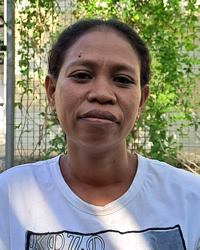
Photo Source:
Anonymous
|
Send Joshua Project a map of this people group.
|
| People Name: | Dagoda |
| Country: | Timor-Leste |
| 10/40 Window: | Yes |
| Population: | 49,000 |
| World Population: | 49,000 |
| Primary Language: | Fataluku |
| Primary Religion: | Christianity |
| Christian Adherents: | 88.00 % |
| Evangelicals: | 2.00 % |
| Scripture: | Portions |
| Ministry Resources: | No |
| Jesus Film: | No |
| Audio Recordings: | Yes |
| People Cluster: | Timor |
| Affinity Bloc: | Malay Peoples |
| Progress Level: |

|
Introduction / History
The Dagoda people (more commonly known in ethnographic literature as the Fataluku or Dagada) are a linguistically and culturally distinct ethnic group residing in the far eastern reaches of Timor-Leste. They primarily inhabit the Lautém Municipality, centered around the town of Lospalos and extending to the coastal areas of Tutuala and the sacred Jaco Island. Unlike the majority of ethnic groups in Timor-Leste who speak Austronesian languages, the Dagoda speak a Papuan language, which suggests a lineage that predates the Austronesian expansion into the archipelago. Historically, the Dagoda were organized into powerful clans that maintained a fierce independence; their region was one of the last to be fully integrated into the Portuguese colonial administration. This history of autonomy, combined with their unique linguistic roots, has fostered a strong sense of cultural pride and a distinct identity that sets them apart from the Tetum-speaking "mainland" to the west. The lives of the Dagoda people are deeply intertwined with the diverse landscape of Lautém, ranging from the high plateaus of Lospalos to the rich marine environments of the Coral Triangle.
What Are Their Lives Like?
Most Dagoda are subsistence farmers who cultivate maize, rice, and tubers, while the raising of water buffalo and cattle remains a vital indicator of social status and wealth within the community. In coastal villages, fishing is a primary occupation, often performed using traditional outrigger canoes to harvest the abundant sea life near the Nino Konis Santana National Park. One of the most striking aspects of Dagoda life is their traditional architecture; they are famous for their Uma Lulik (sacred houses) which feature high, tapered thatched roofs that have become a national symbol of Timor-Leste. While they use the Fataluku (Dagoda) language for domestic and ritual life, they are generally proficient in Tetum for trade and national interaction, and many older residents still retain a working knowledge of Portuguese.
What Are Their Beliefs?
The religious landscape of the Dagoda people is characterized by a complex synthesis of Roman Catholicism and ancient indigenous animism. While the majority are baptized Catholics and participate regularly in church sacraments, their worldview remains heavily influenced by the presence of ancestral spirits and the sacredness of the natural world. They believe that certain landmarks, such as the cliffs of Tutuala and the waters surrounding Jaco Island, are inhabited by powerful spirits that must be appeased through specific rituals and offerings. The Uma Lulik serves as the physical and spiritual center for these beliefs, housing sacred heirlooms that connect the living clan members to their deceased ancestors. Traditional priests or elders often lead ceremonies to seek permission from the spirit world before significant events, such as the clearing of new forest land for farming or the construction of a communal building, ensuring that harmony is maintained between the physical and spiritual realms.
What Are Their Needs?
The Dagoda people face significant challenges rooted in their geographic isolation at the easternmost tip of the country, which often results in them being the last to receive federal infrastructure updates. The road network connecting Lospalos to the capital, Dili, is frequently subject to deterioration, making the transport of agricultural goods and emergency medical patients a long and arduous process. There is a critical need for improved educational facilities and vocational training centers within the Lautém district so that young people do not feel forced to migrate to Dili in search of employment. Economically, while the region has immense potential for eco-tourism due to its pristine beaches and national park, the local communities currently lack the capital and training necessary to manage these industries themselves. Additionally, seasonal food insecurity remains a concern during the "dry months," highlighting a need for more resilient irrigation systems and improved storage techniques for their staple crops to ensure year-round stability.
Prayer Points
Pray for the Dagoda people that their hearts would be opened to the full truth of the gospel, finding a relationship with Christ that transcends traditional ancestral fears.
Pray for the Holy Spirit to guide the local churches in Lospalos as they navigate the complexities of traditional culture and Christian faith.
Pray for the economic development of the Lautém region, specifically that the youth would have access to local jobs and sustainable opportunities that allow them to remain in their ancestral lands.
Pray for the health and safety of families in remote coastal areas who lack immediate access to advanced medical care.
Pray that the community would be granted wisdom in managing their natural resources, protecting their environment while providing for their families.