Biangai, Yongolei in Papua New Guinea
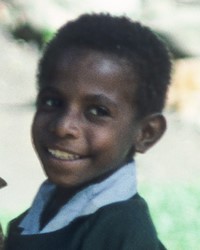
Photo Source:
Anonymous
|
Send Joshua Project a map of this people group.
|
| People Name: | Biangai, Yongolei |
| Country: | Papua New Guinea |
| 10/40 Window: | No |
| Population: | 7,500 |
| World Population: | 7,500 |
| Primary Language: | Biangai |
| Primary Religion: | Christianity |
| Christian Adherents: | 90.00 % |
| Evangelicals: | 25.00 % |
| Scripture: | New Testament |
| Ministry Resources: | Yes |
| Jesus Film: | No |
| Audio Recordings: | Yes |
| People Cluster: | New Guinea |
| Affinity Bloc: | Pacific Islanders |
| Progress Level: |

|
Introduction / History
The Biangai people of Yongolei live in the mountainous region of Morobe Province in Papua New Guinea, where their villages are situated along forested slopes and fertile valleys. The Biangai have a long history of gardening, hunting, and clan-based living, shaped by the rugged terrain and the rich natural resources of their homeland. Over time, contact with miners, traders, and mission workers has influenced aspects of their culture, yet their deep connection to ancestral land and traditional social structures remains strong.
What Are Their Lives Like?
Biangai families rely heavily on subsistence gardening, which provides the foundation of their daily diet. Sweet potatoes, taro, bananas, and leafy greens are grown in hillside gardens, while small livestock and occasional hunting supplement their food supply. Coffee is an important cash crop in some areas, and families may sell beans to traders for income. Men often clear new garden plots, build homes, and participate in community leadership, while women tend gardens, prepare meals, and care for children. Children grow up learning practical skills from their elders, and extended families work together to share labor and resources.
Homes are typically built from local materials such as bamboo, wood, and thatch, though some families incorporate metal roofing when available. Villages are arranged in clusters that reflect clan relationships, and social life centers on family and community gatherings. Church events, weddings, and seasonal celebrations bring people together for feasting, singing, and fellowship. Some Biangai individuals engage in small-scale trade or travel to nearby towns for work, but many aspects of daily life still reflect long-held customs and a close relationship with the land.
What Are Their Beliefs?
Christianity is well established among the Biangai people, and church life plays a significant role in community identity. Many families participate in worship, Scripture reading, and church-led activities. At the same time, traditional beliefs about spirits, ancestral influence, and protective rituals may continue to shape certain practices or fears. While the message of Jesus Christ is widely known, the depth of understanding and personal discipleship varies from village to village. Some communities have strong biblical teaching, while others blend Christian ideas with older cultural patterns. Continued growth in faith and clarity in the gospel remain important for spiritual maturity.
What Are Their Needs?
Healthcare access is limited in many Biangai villages, and preventable illnesses can become serious when medical help is distant or inconsistent. Education opportunities vary, leaving some children without strong literacy or long-term prospects. Economic challenges persist, especially in remote areas where transportation and communication are unreliable.
Spiritually, many believers would benefit from deeper discipleship that strengthens their understanding of Scripture and equips them to share Christ's mercy with neighboring groups who have less exposure to the gospel. Communities where traditional beliefs still hold influence would benefit from clear teaching that points to the freedom and hope found only in Jesus.
Prayer Points
Pray for improved healthcare access and protection from common illnesses among Biangai families.
Pray for strong biblical teaching that helps Biangai believers grow in maturity and confidence in Christ.
Pray for Biangai Christians to become a gospel-bearing force among less-reached peoples in Asia.
Pray for unity, peace, and wisdom as Biangai communities navigate the pressures of modern change.