Barwe in Mozambique
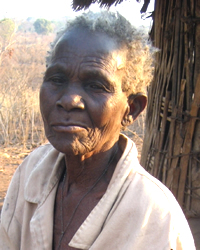
Photo Source:
Ton Rulkens - Flickr
Creative Commons
|
Send Joshua Project a map of this people group.
|
| People Name: | Barwe |
| Country: | Mozambique |
| 10/40 Window: | No |
| Population: | 39,000 |
| World Population: | 39,000 |
| Primary Language: | Barwe |
| Primary Religion: | Ethnic Religions |
| Christian Adherents: | 39.00 % |
| Evangelicals: | 1.00 % |
| Scripture: | Translation Started |
| Ministry Resources: | No |
| Jesus Film: | No |
| Audio Recordings: | No |
| People Cluster: | Bantu, Chewa-Sena |
| Affinity Bloc: | Sub-Saharan Peoples |
| Progress Level: |

|
Introduction / History
The Barwe people are a Bantu-speaking ethnic group living primarily in central Mozambique, with some communities also found in neighboring Zimbabwe. Their language, Chibarwe, is part of the larger Shona language family. The Barwe trace their roots to ancient migrations and settlements in the Zambezi Valley, where they have maintained a distinct cultural identity over centuries. Their history is marked by resilience in the face of colonial pressures, regional conflicts, and the challenges of adapting to changing political and economic landscapes. Traditional leadership structures and clan systems continue to play a significant role in Barwe society, preserving customs and oral histories passed down through generations.
What Are Their Lives Like?
Barwe communities are largely rural, with most people engaged in subsistence agriculture. Families cultivate crops such as maize, millet, sorghum, and cassava, which form the staple diet. In addition to farming, some Barwe people fish in local rivers or keep small livestock. Family life is central, with extended families often living together or in close proximity. Elders are respected and play a key role in decision-making and the transmission of cultural values.
Celebrations and communal gatherings are important aspects of Barwe life, especially during harvest festivals, weddings, and rites of passage. Traditional music, dance, and storytelling are woven into these events, reflecting the community's heritage. Meals typically consist of porridge made from maize or millet, accompanied by vegetables, beans, and occasionally fish or meat when available.
What Are Their Beliefs?
The Barwe people are primarily animistic, with traditional beliefs centered on the veneration of ancestors and the spiritual world. Many Barwe hold that spirits of the ancestors influence daily life and well-being, and rituals are performed to honor and appease these spirits. Sacred sites, such as certain trees or rivers, are often associated with spiritual power. While some Barwe have been exposed to Christianity through missionary activity, traditional religious practices remain deeply rooted in the community. The gospel of Jesus Christ has made some headway, but most have yet to put all their faith in Jesus Christ.
What Are Their Needs?
Barwe communities face a range of physical and spiritual challenges. Many families struggle with poverty, limited access to healthcare, and inadequate educational opportunities. Food insecurity is a recurring issue, especially during times of drought or poor harvest. Clean water and sanitation are often lacking, contributing to preventable diseases. There is a need for holistic development that addresses both the immediate physical needs and the deeper spiritual hunger for hope and transformation in Christ.
Prayer Points
Pray for the physical well-being of the Barwe people, asking God to provide for their daily needs, improve access to clean water, and bring relief from poverty and disease.
Lift up the children and youth, that they would have opportunities for education and a brighter future.
Intercede for a spiritual awakening of the Barwe, that the Holy Spirit would prepare hearts to receive the gospel and that workers would be sent to share the love of Jesus Christ in culturally sensitive ways.
Pray for the few believers among the Barwe, that they would be strengthened in their faith and become bold witnesses to their families and neighbors.
Ask God to bless the Barwe with peace, hope, and the transforming power of Christ's love.