Apurucayali Asheninka in Peru
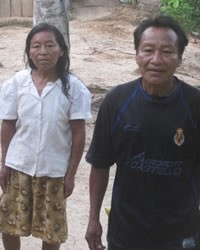
Photo Source:
Copyrighted © 2026
International Mission Board-SBC All rights reserved. Used with permission |
Send Joshua Project a map of this people group.
|
| People Name: | Apurucayali Asheninka |
| Country: | Peru |
| 10/40 Window: | No |
| Population: | 5,300 |
| World Population: | 5,300 |
| Primary Language: | Ajyininka Apurucayali |
| Primary Religion: | Christianity |
| Christian Adherents: | 60.00 % |
| Evangelicals: | 2.00 % |
| Scripture: | New Testament |
| Ministry Resources: | Yes |
| Jesus Film: | No |
| Audio Recordings: | No |
| People Cluster: | South American Indigenous |
| Affinity Bloc: | Latin-Caribbean Americans |
| Progress Level: |

|
Introduction / History
The Apurucayali Asheninka are part of the larger Asheninka ethnic group, an indigenous people of the Amazon basin in Peru. They speak a dialect of the Asheninka language, which belongs to the Arawakan family. Historically, they have lived deep in the rainforest, maintaining a lifestyle closely tied to the land and rivers. Their history includes resilience in the face of outside pressures such as colonization, rubber trade exploitation, and modern deforestation. Despite these challenges, they have preserved much of their cultural identity and continue to value their traditions.
What Are Their Lives Like?
The Apurucayali Asheninka live in small villages along rivers, where transportation is primarily by canoe. Their economy is based on subsistence farming, hunting, and fishing. They cultivate crops such as cassava, plantains, maize, and bananas, and supplement their diet with fish and game from the forest. Families work together in agriculture and share resources communally.
Family life is strong, with extended families often living close to one another. Celebrations include traditional music, dances, and communal feasts, often tied to seasonal cycles or important life events such as marriages. Meals are simple but nourishing, featuring cassava bread, smoked fish, and fruits from the forest. Hospitality is a valued trait, and visitors are welcomed warmly.
What Are Their Beliefs?
The Apurucayali Asheninka traditionally follow animistic beliefs, viewing the natural world as inhabited by spirits. Rituals and ceremonies are performed to maintain harmony with these spiritual forces, often led by shamans. While most have identified as Christian, traditional practices remain influential, and many lack a clear understanding of the gospel. Discipleship opportunities are rare.
What Are Their Needs?
The Apurucayali Asheninka need access to Scripture and teaching in their heart language so they can understand the message of Jesus Christ. Isolation in remote areas makes it difficult for them to connect with Christian communities or receive pastoral care. Economic challenges and limited healthcare also affect their well-being, but their greatest need is spiritual transformation that brings hope and peace in Christ. Those who have heard the gospel often lack fellowship and encouragement, leaving them vulnerable to discouragement and syncretism.
Prayer Points
Pray for the Apurucayali Asheninka to hear and understand the gospel in their own language.
Ask God to raise up workers who will live among them and share Christ in culturally sensitive ways.
Pray for new believers to grow strong in faith and become witnesses to their own people.
Intercede for spiritual freedom from fear of spirits and traditions, and for the peace of Christ to reign in their communities.