Alabama in United States
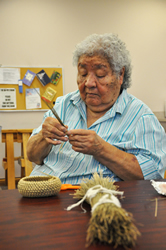
Photo Source:
Forest Farming - Flickr
Creative Commons
|
Send Joshua Project a map of this people group.
|
| People Name: | Alabama |
| Country: | United States |
| 10/40 Window: | No |
| Population: | 500 |
| World Population: | 500 |
| Primary Language: | Alabama |
| Primary Religion: | Christianity |
| Christian Adherents: | 65.00 % |
| Evangelicals: | 4.00 % |
| Scripture: | Unspecified |
| Ministry Resources: | No |
| Jesus Film: | No |
| Audio Recordings: | No |
| People Cluster: | North American Indigenous |
| Affinity Bloc: | North American Peoples |
| Progress Level: |

|
Introduction / History
The Alabama people are part of the larger Muskogean linguistic family and historically lived in what is now Alabama and Mississippi. Their name is believed to mean "vegetation gatherers" or "clearers of the thicket," reflecting their close relationship with the land. In the 18th century, many Alabama joined with the Coushatta, forming the Alabama-Coushatta community. Following forced removals during the 1830s, some Alabama people relocated to Texas and Louisiana, while others remained in the Southeast. The Alabama language, though endangered, is still spoken by a few elders and is the focus of revitalization efforts. It shares linguistic features with Choctaw and Creek languages.
What Are Their Lives Like?
Today, Alabama descendants live in various regions, including parts of Texas, Louisiana, and Alabama. Many are part of state-recognized tribes such as the Alabama-Coushatta Tribe of Texas and maintain strong cultural traditions through storytelling, crafts, and ceremonial gatherings. Tribal communities often face economic challenges but are resilient, with a strong emphasis on education, land stewardship, and cultural preservation. Tribal councils and community organizations work to support health, housing, and heritage programs. Despite modern pressures, the Alabama people continue to honor their ancestral ways and maintain a deep connection to their history.
What Are Their Beliefs?
Traditionally, the Alabama people practiced animistic beliefs, honoring spirits in nature and ancestral rituals. Ceremonies such as the Green Corn Festival were central to their spiritual life. With European contact and missionary efforts, many Alabama people adopted Christianity, particularly Baptist and Methodist denominations. Today, religious beliefs vary widely, with some blending Christian faith with traditional practices. While church attendance is common, spiritual depth and biblical engagement can be limited. Faith is often expressed communally, but personal discipleship and gospel-centered transformation are still needed.
What Are Their Needs?
The Alabama people need spiritually contextualized outreach that understands their heritage while presenting the gospel clearly. Many have inherited Christian traditions but lack access to discipleship resources that foster personal growth in Christ. There is a need for Bible translation and oral storytelling that reflects their cultural rhythms. Healing from historical trauma and restoration of identity in Christ are critical spiritual needs. Ministries that build trust and long-term relationships can help bridge gaps between tradition and transformation.
Prayer Points
Pray that the Scriptures be faithfully translated into their heart language so that the truth of the gospel can deeply resonate with them. Pray for God's guidance in raising up indigenous Christian leaders, equipped to disciple and nurture faith within their own tribal communities. Pray for Alabama Christians to faithfully embrace the Great Commission, preach the gospel, and make disciples.
Pray for healing from generational trauma, that the peace of Christ would restore spiritual identity and bring a deep sense of wholeness. Intercede for ministries that are culturally sensitive, ones that honor Alabama traditions while faithfully sharing the message of Jesus, bridging the past and the present with grace and truth.