|
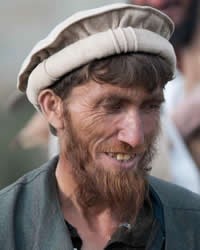
Grangali Nuristani in Afghanistan
Origins of present-day Nuristani peoples remain a mystery, although some of their ancestors might have been soldiers of Alexander the Great. Nuristani people groups are unique among others living in Afghanistan, so unique that we cannot view them through a single lens. Speaking the Grangali language separates this group from other Nuristanis. Grangali Nuristani villages, ranging from 30 to 300 families, are a patriarchal culture. Influential men, called mediators, are respected for skills in negotiating conflicts to a non-violent end, perhaps with the aid of a local or area council of leading men. They grow wheat and corn in terraced plots and utilize irrigation from four major rivers. Women generally perform agricultural chores, while men tend to goats and cattle. Landowners are the "upper class" (decision makers), while the "lower class" are woodworkers, weavers, potters, carpenters, etc.
Ministry Obstacles
Isolation has proved two-edged. It has hindered potentially beneficial development, leaving Nuristan as one of Afghanistan's most impoverished areas. Isolation has helped the people preserve their culture and language, but it has also hindered those who would otherwise bring them the life-changing gospel.
Scripture Focus
"Every day I will bless you and praise your name forever and ever." Psalm 145:2
Scripture Prayer
Pray for many from this people group to regularly praise the Lord and worship Him.
Prayer Focus
Pray for gospel recordings to find their way into every Grangali Nuristani family.
Ask God to intervene in their families, calling people to his side.
Pray for loving and dedicated workers.
Pray for their hearts to be drawn to the Lord of lords, then ask God for thriving fellowships of Christ-loving Nuristani people.
|
| People Name: |
Grangali Nuristani |
| Country: |
Afghanistan |
| 10/40 Window: |
Yes |
| Population: |
12,000 |
| World Population: |
12,000 |
| Primary Language: |
Grangali |
| Primary Religion: |
Islam |
| Scripture: |
Translation Needed |
| Ministry Resources: |
No |
| Jesus Film: |
No |
| Audio Recordings: |
Yes |
| Christ Followers: |
Few, less than 2% |
| Status: |
Unreached |
| Progress Level: |

|
Presented by Joshua Project
www.joshuaproject.net
|
