




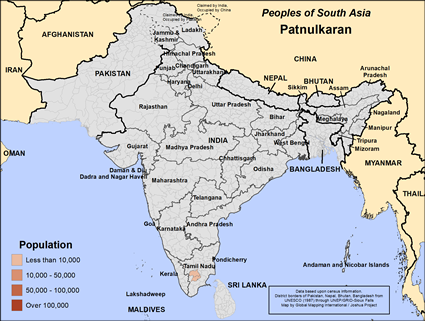
The Patnulkaran are a community found in southern India, especially associated with Tamil-speaking regions and traditional weaving occupations. Their identity has historically been connected to textile production, cloth weaving, and artisan craftsmanship passed down through generations. Like many hereditary artisan communities in India, the Patnulkaran developed within a social structure where occupation, family identity, and community traditions were closely linked.
The weaving traditions of southern India have long played an important role in local economies and cultural life, and communities such as the Patnulkaran contributed to the production of garments, ceremonial cloths, and regional textiles. Over time, industrial manufacturing, urban migration, and economic change affected many traditional weaving communities. Some families continued in textile work, while others moved into trade, labor, education, or urban professions. Even with modernization, family ties and cultural identity remain important within the community.
Many Patnulkaran families live in towns and semi-urban areas where weaving, small business activity, trade, labor, and service occupations help support daily life. In some households, traditional textile knowledge is still valued, though mechanized production and factory competition have reduced the role of hand-weaving in many places. Rice, lentils, vegetables, and South Indian regional foods commonly form the basis of everyday meals.
Family and community relationships are central to Patnulkaran society. Respect for elders, maintaining family reputation, and participation in weddings, festivals, and religious observances remain important cultural values. Extended family networks often provide practical support during financial hardship or major life events.
Economic opportunities vary widely. Some families have adapted successfully to modern education and urban employment, while others still face financial instability and declining traditional occupations. Younger generations often experience tension between preserving cultural heritage and pursuing modern economic opportunities.
The Patnulkaran are generally influenced by Hindu traditions and regional religious customs common in southern India. Religious life may include temple worship, devotion to Hindu gods and goddesses, participation in festivals, household rituals, and observance of family traditions tied to community identity.
In addition to formal Hindu practices, folk beliefs and customary rituals may also influence spiritual life. Beliefs involving astrology, ritual purity, blessings, ancestral customs, and protection from spiritual harm can remain deeply rooted within the culture. In some settings, these traditions create a mixture of religious practices that obscures the biblical message of salvation by grace through Jesus Christ alone.
Those who come to faith in Christ may face family opposition or pressure to maintain traditional religious identity. New believers need strong biblical discipleship, fellowship, and encouragement so their faith is grounded firmly in Scripture rather than in cultural or ritual traditions.
The Patnulkaran need greater access to the gospel through faithful Christian witness, Scripture, and discipleship clearly rooted in the Word of God. Many have little direct understanding of the biblical gospel and need opportunities to encounter Christ through trusted relationships and compassionate ministry.
Practical needs may include economic stability, educational opportunity, healthcare access, and support for families affected by changing labor conditions and urban migration. Communities connected historically to artisan trades often face uncertainty as traditional occupations decline.
Believers among the Patnulkaran need spiritually mature leadership, healthy local churches, and biblical teaching that equips them to grow in faith and share the gospel with future generations. Long-term ministry rooted in truth, humility, and compassion can help build meaningful relationships within the community.
Pray that the Patnulkaran people would hear and understand the gospel clearly and place their faith in Jesus Christ alone for salvation.
Pray that Christian workers serving among the Patnulkaran would have wisdom, patience, and loving relationships that open hearts to biblical truth.
Pray that the Patnulkaran would be adopted through the People Group Adoption program so that ongoing prayer, discipleship, and future gospel engagement would continue among them.
Pray that believers among the Patnulkaran would grow in biblical maturity, stand firm against syncretism, and become faithful witnesses within their families and communities.
Scripture Prayers for the Patnulkaran in India.
https://peoplegroups.org/explore/GroupDetails.aspx?peid=44836
https://www.ethnologue.com/
https://www.britannica.com/topic/Hinduism
https://www.britannica.com/topic/textile
https://india.gov.in/
| Profile Source: Joshua Project |



