




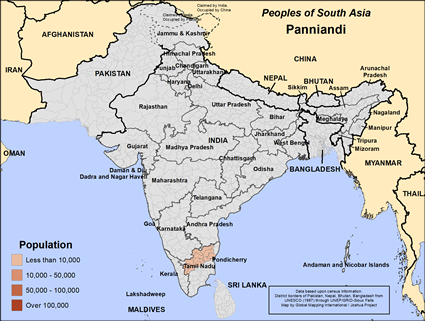
The Panniandi are a community found in southern India, particularly associated with Tamil-speaking regions. Publicly available information about their detailed historical origins is limited, but like many smaller communities in South India, their identity has likely been shaped through hereditary occupations, regional customs, village-based social organization, and strong family lineage systems preserved over generations.
Communities throughout Tamil Nadu historically developed distinct identities connected to agriculture, animal husbandry, labor, local trade, craftsmanship, and religious tradition. Oral history, marriage customs, clan relationships, and inherited social practices helped preserve these identities across centuries. The Panniandi appear to belong within this broader framework of Tamil rural and semi-rural cultural life.
The daily lives of the Panniandi are likely centered around family responsibilities, work, and close community relationships. In many Tamil communities, extended families remain important sources of emotional and financial support. Respect for elders and preserving family honor commonly shape social expectations and household life.
Depending on where they live, Panniandi families may work in agriculture, livestock care, labor, transportation, construction, local trade, or small business activities. Rural communities are often closely tied to seasonal agricultural work and village networks, while younger generations may increasingly pursue education and employment opportunities in towns and cities.
Meals generally reflect Tamil cuisine and commonly include rice, lentils, vegetables, curries, chutneys, flatbreads, and locally available foods. Religious festivals, weddings, and family ceremonies often serve as major social gatherings that reinforce community identity and preserve inherited traditions.
Like many traditional communities in India, the Panniandi are increasingly affected by modernization, migration, technology, and economic change. These developments can create both new opportunities and tensions between traditional expectations and modern lifestyles.
The Panniandi are associated primarily with Hindu religious traditions. Hindu religious life commonly includes devotion to gods and goddesses, temple worship, sacred festivals, ritual ceremonies, and household religious practices connected to family life and important life events.
In many Tamil rural communities, folk religious traditions may also strongly influence spiritual life. Beliefs concerning village guardian deities, ancestral customs, astrology, ritual purity, local spirits, and ceremonial offerings may exist alongside mainstream Hindu worship. Religious identity is often deeply connected to family heritage and community belonging.
Although the Panniandi may sincerely value devotion and inherited religious customs, they still need the gospel of Jesus Christ and the assurance of salvation that comes through faith in Him rather than through ritual observance, family tradition, or religious duty.
The Panniandi need greater access to biblical teaching, Scripture, discipleship, and faithful Christian witness presented with humility, compassion, and cultural understanding. Many smaller communities in southern India continue to have limited meaningful exposure to evangelical Christianity and clear biblical teaching.
Practical needs may include stable employment, educational opportunity, healthcare access, housing support, and assistance for families facing economic hardship or social pressure. Rural communities can also struggle with limited infrastructure and reduced access to important services.
There is a need for mature believers who will patiently build relationships, demonstrate Christ's love through practical service, and establish strong local fellowships rooted firmly in biblical truth. Local Christians who already exist in the region also need encouragement and discipleship so they can faithfully reach surrounding communities with the gospel.
Pray that the Panniandi people would hear the gospel clearly and come to know Jesus Christ as Savior and Lord.
Pray that God would raise up compassionate and biblically faithful workers who will serve among the Panniandi with wisdom, humility, and perseverance.
Pray that the Panniandi would be adopted through the People Group Adoption program so that sustained prayer, discipleship, and long-term gospel outreach would continue among them.
Pray for strengthened families, improved educational and economic opportunities, and spiritual openness within Panniandi communities throughout southern India.
Scripture Prayers for the Panniandi in India.
https://www.britannica.com/topic/Hinduism
https://en.wikipedia.org/wiki/Tamil_people
https://en.wikipedia.org/wiki/Caste_system_in_India
| Profile Source: Joshua Project |



