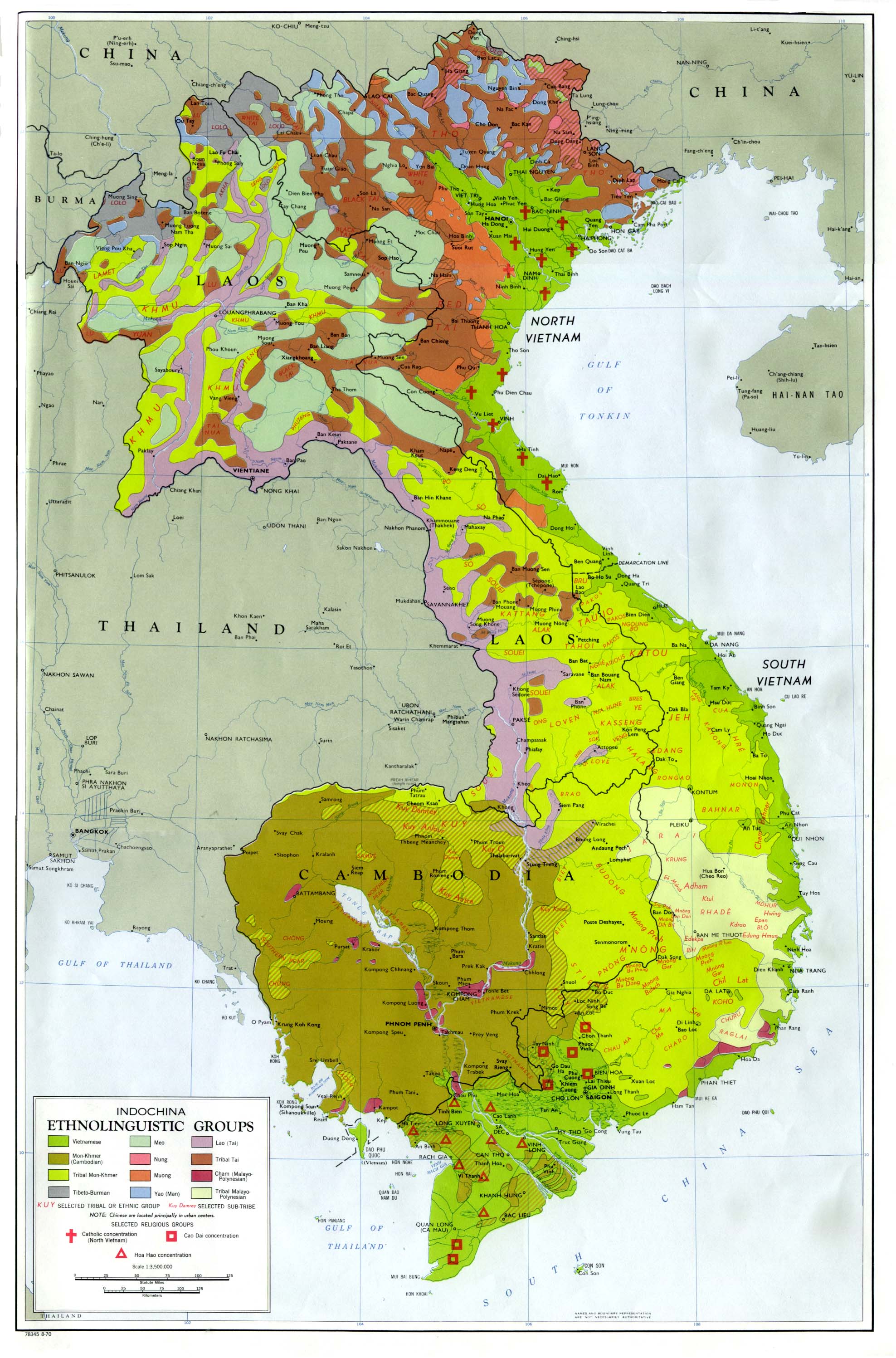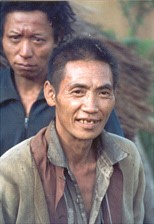

The Poumong are a small ethnic group living in the mountainous regions of southern Laos. They speak a Mon-Khmer language and are part of the larger Austroasiatic language family. The Poumong have maintained a distinct identity through their language, customs, and traditional way of life. Their villages are typically remote, contributing to their cultural preservation and limited interaction with the broader Lao society. Historical records about the Poumong are scarce, but like many minority groups in Laos, they have likely faced challenges related to marginalization and limited access to national resources.
Poumong communities are primarily agrarian, relying on subsistence farming as their main source of livelihood. They cultivate rice and other staple crops using traditional slash-and-burn methods, which is common among upland groups in Laos. In addition to farming, they gather forest products, hunt, and fish to supplement their diet. Daily life is centered around family and community, with extended families often living in proximity. Houses are typically constructed from local materials and built on stilts to protect against flooding and pests.
Social life is closely tied to the agricultural calendar, with communal labor and festivals marking important events. The Poumong, like other upland groups, may face challenges such as limited access to education, healthcare, and clean water. Their remote location often means that government services are scarce, and many adults and children are not fluent in the national Lao language, which can further isolate them from broader economic and social opportunities. Despite these challenges, the Poumong maintain strong community bonds and a resilient spirit.
The Poumong practice traditional animism, believing that spirits inhabit natural objects, places, and ancestors. Rituals and ceremonies are an integral part of their spiritual life, often led by village elders or shamans. These beliefs shape their worldview and daily practices, influencing everything from agricultural activities to health and family decisions. There is little evidence of Buddhist or Christian influence among the Poumong, and syncretism with other religious traditions is rare. Their animistic beliefs are deeply rooted and continue to guide their understanding of the world.
The Poumong face significant practical and spiritual needs. Access to healthcare, education, and clean water is limited, and economic opportunities are scarce due to their remote location. Food security can be a concern, especially during poor harvests or environmental challenges. Spiritually, the Poumong have little exposure to the gospel, and there are no known followers of Jesus Christ among them. They need the hope and transformation that comes through faith in Christ, as well as practical support to improve their quality of life.
Pray that the Poumong people will be adopted through the People Group Adoption program, ensuring ongoing prayer and future gospel engagement.
Ask God to send Christians who will reach out to the Poumong with love, compassion, and the message of Jesus Christ.
Pray for a spiritual hunger among the Poumong that will lead them to seek and find the truth of the gospel, no matter the cost.
Pray for their physical needs, including improved access to healthcare, education, and clean water.
Scripture Prayers for the Poumong in Laos.
https://factsanddetails.com/southeast-asia/Laos/sub5_3c/entry-2962.html
https://en.wikipedia.org/wiki/List_of_ethnic_groups_in_Laos
https://www.britannica.com/place/Laos/Daily-life-and-social-customs
https://laos-adventures.com/laos-travel-guide-culture
| Profile Source: Joshua Project |