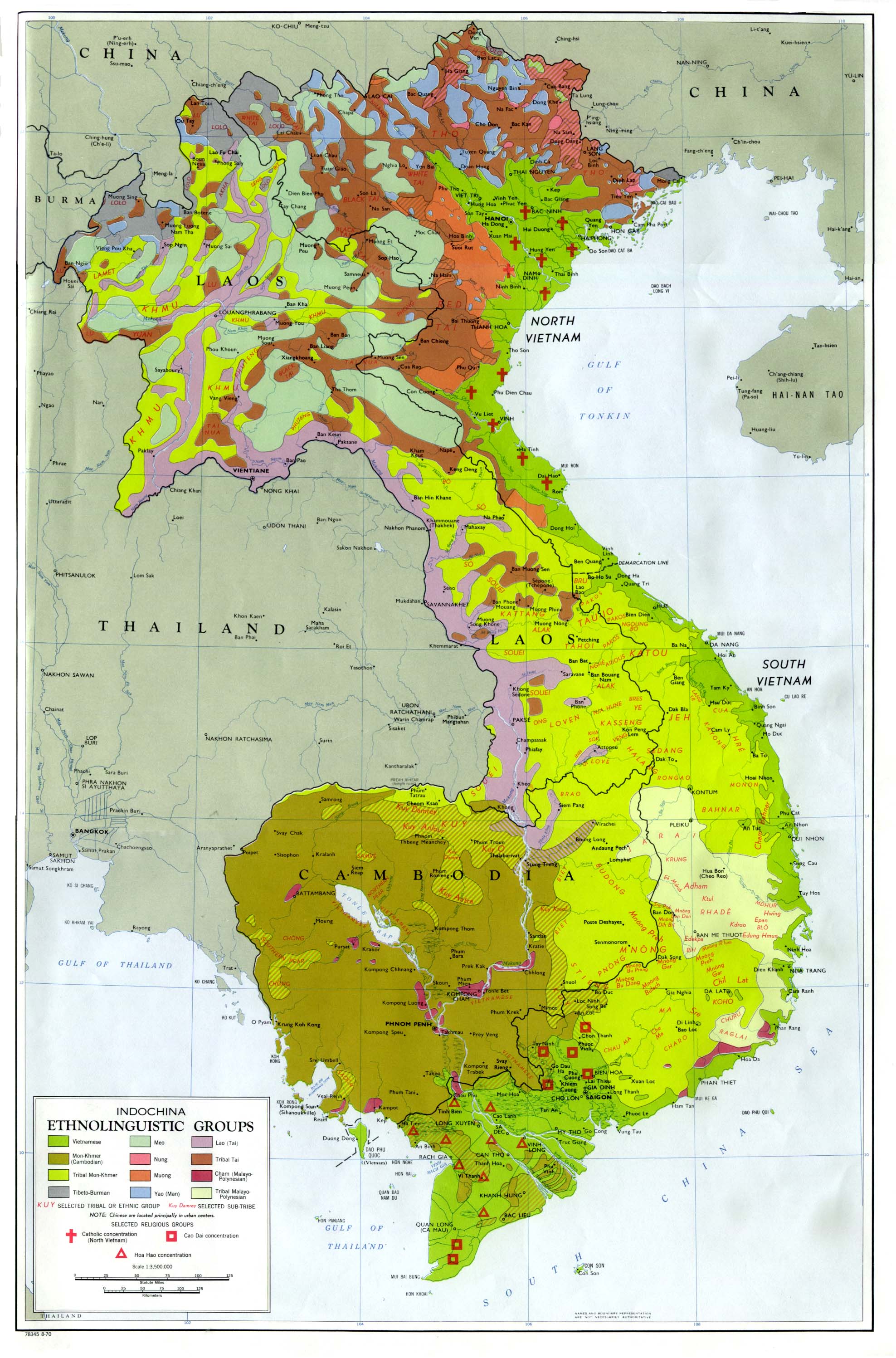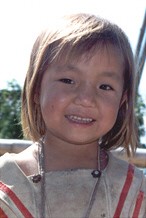

The Pouhoy ethnic group lives in the Kang Village of the Namo District of northern Oudomxai Province.
Until 1975, the Pouhoy lived under authority of the King of Laos in Luang Prabang. Over the centuries, Lao kings had the reputation for being distant from the people, unlike the present King of Thailand.
Even though the Pouhoy believe they are a distinct, unique people group, they have never appeared in any mission lists of Laos and are not counted in census figures for Laos. The Pouhoy are situated very near the Kongsat ethnic group, who are even smaller in size.
One scholar has speculated that the Pouhoy may be "the last remaining remnant of a Mon-Khmer group that migrated to southern Laos long ago and became today's Jeng and Oy." This possibility is strengthened by the fact both the Jeng and Oy claim to have originated far north of their present locations.
The Pouhoy of Laos participate in recreational activities that are closely connected to their rural environment and community-centered way of life. Because most Pouhoy are engaged in subsistence agriculture, leisure time is limited and typically occurs in the evenings or after seasonal work has been completed. Overall, recreation among the Pouhoy is simple, relational, and deeply tied to the rhythms of village life rather than organized or commercial entertainment.
Men often spend their free time gathering in small groups within the village. These times are used for conversation, sharing news, and strengthening social relationships. Younger men and boys may engage in simple physical games or informal sports in open areas near the village, using whatever space and materials are available.
Women commonly enjoy recreational time through social interaction. Visiting neighbors and relatives is an important activity, allowing women to maintain strong interpersonal ties. During these visits, they may prepare food together, exchange stories, or work on handicrafts such as weaving or sewing, which serve both practical and relaxing purposes.
Children create their own forms of entertainment, usually playing outdoors in small groups. Their games often involve running, exploring the surrounding environment, or using handmade toys. These activities encourage cooperation and help build early community bonds.
Festivals and communal gatherings provide the most significant opportunities for recreation. During these events, the Pouhoy may participate in traditional music, dancing, and shared meals. These occasions are not only times of enjoyment but also serve to reinforce cultural identity and social unity within the group.
Family life among the Pouhoy is central to their social structure and daily existence. The family serves as the primary unit for economic activity, social identity, and the transmission of cultural values.
Most Pouhoy households are structured around the nuclear family, though extended family members often live nearby or maintain close relationships. Cooperation within the family is essential, particularly in agricultural work, where each member contributes according to age and ability.
Marriage is an important institution and is generally expected of all adults. Couples often establish their own households, though strong ties to parents and relatives continue after marriage. Respect for elders is emphasized, and older family members are valued for their wisdom and experience.
Men typically carry primary responsibility for heavy agricultural labor and decisions affecting the household, while women manage domestic responsibilities such as cooking, childcare, and maintaining the home. Women may also assist in farming and other income-producing activities, reflecting a cooperative family dynamic.
Children are considered a blessing and an important part of family life. From an early age, they are gradually introduced to responsibilities, helping with chores and learning the skills needed for adult life. Parents and elders play a key role in teaching cultural traditions, moral values, and acceptable behavior.
Family relationships among the Pouhoy are generally close-knit, with an emphasis on mutual support, respect, and shared responsibility. The family unit not only meets physical needs but also provides emotional and social stability within the broader community.
The Pouhoy are animists; their faith is in the spirit world. They believe they must appease spirits that might otherwise harm them. These same spirits can help them so long as they are obedient.
The Pouhoy people need to put their trust and identity in the hands of the loving God of Creation who sent his son to make it possible for them to enter the Kingdom of God.
Pray the Pouhoy would soon come to know him who is King of Kings and Lord of Lords.
Ask God to prepare the hearts of the Pouhoy to follow him.
Pray that the Pouhoy people will be adopted through the People Group Adoption program so that they will have regular prayer and ultimately workers among them.
Pray small groups in Laos such as the Pouhoy would not be forgotten as the church reaches the lost.
References
Scripture Prayers for the Pouhoy in Laos.
| Profile Source: Joshua Project |