


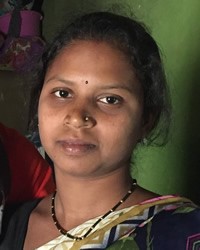

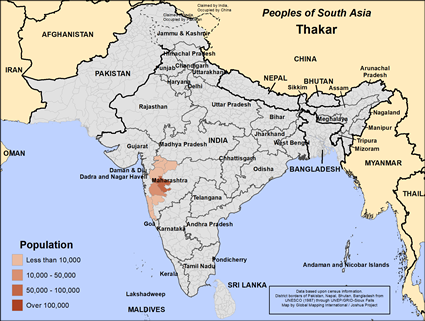
The Thakar live all over the west central Indian state of Maharashtra. Until the last few decades, the Thakar were living a nomadic life of hunting and gathering. Their livelihood was dependent on the forest and what they could gather and sell. Hunting has become illegal where the Thakar live so they have had to find other ways of making a living.
Today many among the Thakar are engaged in low paying jobs that other Hindus will not take. Those jobs include street sweeping, working with human waste and dealing with corpses of dead animals. Such jobs give them low status, but they are doing essential work for the benefit of their neighbors.
Among the Thakar of India, recreational activities are generally simple and closely tied to village life, seasonal rhythms, and community relationships. Leisure is often informal and shared, rather than structured or commercialized.
Men commonly spend their free time gathering in small groups within the village, where they engage in conversation, storytelling, and discussions about daily life, agriculture, and local events. Traditional games, such as cards or simple outdoor contests, may also be enjoyed, especially during periods when agricultural work is lighter. Wrestling and other displays of physical strength can occasionally serve as both entertainment and a demonstration of masculinity.
Women's recreational activities are typically interwoven with their social and household responsibilities. They find enjoyment in visiting neighbors, singing traditional songs, and participating in group activities during festivals or special occasions. Singing and rhythmic clapping are especially meaningful forms of expression, often reflecting themes of marriage, family life, and local traditions.
Children participate in a variety of outdoor games, frequently using locally available materials rather than manufactured toys. These games are usually played in groups and contribute to the development of social bonds within the community.
Festivals and religious observances provide some of the most significant opportunities for recreation among the Thakar. During these times, the community gathers for music, dancing, and communal feasting. Such events not only serve as entertainment but also reinforce cultural identity and social cohesion.
The Thakur people practice Hinduism, the ancient religion of India. Hinduism is a catch-all term for the local religions of South Asia, so it is very diverse. At the popular level, Hindus worship and serve the gods of the Hindu pantheon. They visit Hindu temples and offer prayers, food, flowers, and incense to their gods in hopes of gaining protection and benefits. They do not have a personal or familial relationship with their gods like Christians or Jews. There are other Hindus who are much more philosophical, especially among the Brahmins.
Almost all Hindus participate in yearly celebrations like Holi, the festival of colors and the start of spring / Diwali, the festival of lights / Navratri, the celebration of autumn / and Rama Navami, Rama's birthday.
Many of the Thakar are unable to read and write so the Thakar need to accept the gospel presented in oral and visual forms. There may be no Christ followers among the Thakar. Whoever takes Christ to them will need to start with their family and community leaders, so the work does not get snuffed out early.
Ask the Lord to give the Thakar a desire to seek the truth of the Word of God for themselves.
Pray for a movement to Christ to arise among the Thakar.
Pray for the Lord to send out anointed workers to engage with the Thakar and tell them about Jesus.
References
Scripture Prayers for the Thakar in India.
| Profile Source: Joshua Project |



