


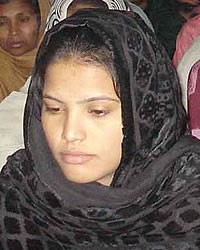

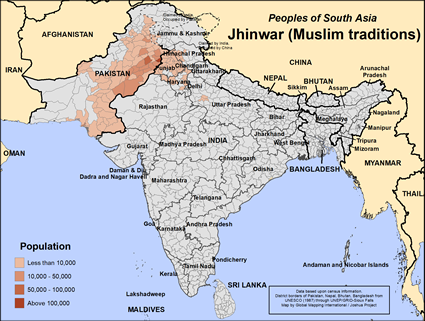
The Jhinwar are a Muslim community found mainly in the Punjab and Sindh provinces of Pakistan, with smaller populations in other parts of the country. Historically, the Jhinwar were closely associated with occupations connected to water, including fishing, boating, carrying water, milling grain, and river-based labor. In many areas they were also known by related names such as Jhiwar, Dhimar, Mashki, Mallah, or Kahar, reflecting occupational and regional variations within the broader community.
The history of the Jhinwar reflects the caste-based occupational structure that shaped much of South Asian society for centuries. Communities connected with fishing, water carrying, and laboring occupations were often placed in lower social positions within village society. Even after modernization reduced the need for traditional water-carrying work, social status and caste identity continued to influence economic opportunity, education, and marriage patterns.
The Partition of British India in 1947 significantly affected the Jhinwar community. Muslim Jhinwar generally remained in Pakistan, while many Hindu and Sikh Jhinwar families relocated to India. Today, Muslim Jhinwar communities are spread across both rural villages and urban areas throughout Pakistan. Most speak Punjabi, Sindhi, or Urdu depending on their region.
Traditionally, the Jhinwar worked as fishermen, boatmen, cooks, basket-makers, grain grinders, and water carriers who transported water to homes and villages before modern water systems became common. Some also worked as river laborers, ferrymen, or makers of baskets and other handmade goods. As economic conditions changed, many families moved into agriculture, construction, factory labor, transportation, stone-cutting, and urban wage labor.
Village life is generally centered around extended family relationships and close community cooperation. Men commonly work in labor-intensive occupations such as farming, construction, transportation, fishing, or market trade. Women often manage household responsibilities while also helping with agricultural labor, carrying water, domestic work, or local economic activity. In some rural communities, women historically served as midwives and nursing attendants.
Many Jhinwar families continue to face economic hardship and limited educational opportunity. Illiteracy remains a challenge in some communities, especially among women and girls. Urban migration has increased as younger generations seek employment in factories, transportation, and construction work in Pakistan's growing cities. At the same time, traditional occupations connected to rivers and waterways have declined because of modernization, mechanized transport, irrigation changes, and dam construction.
Marriage is usually arranged within the community, and family honor remains very important. Hospitality, loyalty to kinship networks, and strong communal identity continue to shape social life among the Jhinwar.
The Jhinwar in Pakistan are primarily Sunni Muslims, and Islam shapes much of their personal, family, and community life. Religious practices commonly include daily prayer, fasting during Ramadan, mosque participation, and observance of Islamic customs related to marriage, burial, and religious festivals such as Eid al-Fitr and Eid al-Adha. Many depend heavily on local imams and religious teachers for spiritual guidance because Classical Arabic, the language of the Quran, is not commonly understood by ordinary people.
Alongside formal Islamic practice, folk beliefs and local spiritual traditions often remain influential. Belief in blessings, curses, protective amulets, spiritual healing, saints, and unseen spiritual forces may shape decisions involving illness, family problems, or protection from harm. In rural communities especially, cultural traditions can blend with Islamic practice, creating a syncretistic religious environment.
Most Jhinwar have had little meaningful exposure to biblical Christianity. Christianity is often viewed as foreign or socially unacceptable within Muslim Pakistani society. Social pressure, fear of rejection, and religious conservatism can make openness to the gospel difficult. The Jhinwar need to hear clearly that forgiveness of sins and reconciliation with God come through Jesus Christ alone rather than through religious rituals, good works, or inherited religious identity.
The Jhinwar remain largely unreached with the gospel, and there are very few known believers among them. Their social marginalization, strong Muslim identity, and limited access to Christian witness create major barriers to gospel outreach. Faithful Christian workers are needed who are willing to build long-term relationships with humility, compassion, and perseverance among Jhinwar communities.
Practical needs are also significant. Many Jhinwar families face poverty, unstable employment, limited education, healthcare shortages, and social discrimination connected to caste background and low-status labor occupations. Rural communities especially may struggle with access to clean water, modern medical care, and economic opportunity.
The Jhinwar need Scripture resources, discipleship materials, and gospel teaching communicated in Punjabi, Sindhi, Urdu, and other local languages they understand well. Oral Bible storytelling, audio Scripture, and relationship-centered ministry may be especially important in communities with limited literacy. Any believers among them would need encouragement, biblical training, and fellowship support because of strong social pressure surrounding conversion to Christianity.
Pray that the Jhinwar people will hear a clear presentation of the gospel and place their faith in Jesus Christ for salvation.
Pray that God will raise up faithful Christian workers who are willing to serve among the Jhinwar with wisdom, humility, patience, and compassion.
Pray that the Jhinwar people will be adopted through the People Group Adoption program so that churches and believers will commit to sustained prayer and future gospel outreach among them.
Pray that any believers among the Jhinwar will grow strong in biblical truth and wisely share the hope of Christ with their families and communities.
Scripture Prayers for the Jhinwar (Muslim traditions) in Pakistan.
https://en.wikipedia.org/wiki/Jhinwar
https://en.wikipedia.org/wiki/Dhimar
https://indpaedia.com/ind/index.php/Watermen%2C_Boatmen%2C_and_Cooks_%28Punjab_castes%29
https://en.wikipedia.org/wiki/Dogra_Jheer
https://en.wikipedia.org/wiki/Jat_Muslim
| Profile Source: Joshua Project |



