


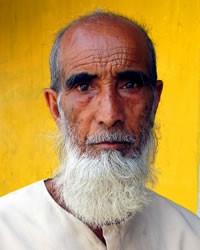

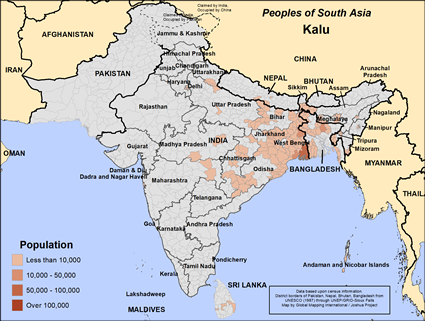
The Kalu are a Muslim community found primarily in eastern India and Bangladesh, especially in West Bengal and surrounding Bengali-speaking regions. Their name is believed to come from the Hindi word "khalu," and traditional accounts within the community connect their origins to occupations involving oil pressing and oil selling. Historically, the Kalu were closely associated with extracting and selling edible oils, a trade similar to that of the Teli communities found across South Asia.
Like many occupational communities in South Asia, the Kalu developed within a localized social structure where profession, family identity, marriage customs, and village relationships were closely linked. Over generations, some families continued in oil-related trades while others moved into farming, plantation labor, trade, transportation, and general wage labor as economic conditions changed. Oral tradition, family lineage, and village identity remain important parts of Kalu community life.
The Kalu primarily speak Bengali, and their culture reflects the broader Bengali Muslim world shaped by centuries of interaction between Islamic traditions and local South Asian customs. Their communities are found in both rural villages and growing urban areas, though many families remain economically modest and closely tied to agricultural life.
Traditionally, the Kalu worked as oil pressers and sellers, producing oils used for cooking, lighting, medicine, and religious purposes. Before industrial processing became widespread, oil extraction required physical labor using wooden presses powered by animals or manual effort. Some Kalu families also became landowners, farmers, or plantation laborers depending on local opportunities and land access.
Today, many Kalu families work in agriculture, small business, labor work, transportation, market trade, or urban employment. Rice cultivation is important in many Bengali-speaking areas, and families may also grow vegetables, pulses, mustard, and other crops suited to the climate. Fish is a common part of the diet, along with rice, lentils, and regional Bengali foods.
Family life often centers around both nuclear and extended family structures. Marriage is highly valued, and family honor plays an important role in social relationships. Women commonly manage household responsibilities, food preparation, childcare, and sometimes agricultural or market-related work alongside men. Festivals, weddings, village gatherings, and religious observances help maintain strong community connections.
Many Kalu communities continue to face practical challenges involving poverty, unstable employment, healthcare access, educational limitations, and economic dependence on seasonal labor or agriculture. Younger generations increasingly migrate toward towns and cities seeking education and work opportunities, creating tension between preserving traditional community identity and adapting to modern economic realities.
The Kalu are primarily Sunni Muslims, and Islam strongly shapes family and community life. Religious practices commonly include daily prayer, fasting during Ramadan, mosque participation, observance of Islamic festivals such as Eid al-Fitr and Eid al-Adha, and respect for the Quran and Islamic teaching. Islamic identity is deeply woven into community life and family tradition.
At the same time, folk religious beliefs and local spiritual traditions often remain influential within Bengali Muslim communities. Belief in spirits, curses, protective amulets, blessings, dreams, and supernatural forces may affect decisions involving illness, protection, finances, or family wellbeing. In many South Asian Muslim communities, folk practices connected to saints, shrines, or spiritual healers exist alongside formal Islamic worship, creating a syncretistic spiritual environment.
Most Kalu have had little meaningful exposure to biblical Christianity. Christianity is often viewed as foreign or socially unacceptable within Muslim Bengali society. Social pressure, fear of rejection, and strong religious identity can make openness to the gospel difficult. The Kalu need to hear clearly that forgiveness of sins and reconciliation with God come through Jesus Christ alone rather than through religious rituals, inherited identity, or human effort.
The Kalu remain largely unreached with the gospel, and there are very few known believers among them. Their integration into broader Bengali Muslim society and limited access to Christian witness create significant barriers to gospel outreach. Faithful Christian workers are needed who are willing to build long-term relationships, communicate biblical truth with humility and compassion, and serve among the Kalu with patience and cultural understanding.
Practical needs are also significant. Many Kalu families continue to face economic hardship, unstable agricultural income, limited healthcare access, educational challenges, and vulnerability to flooding or environmental pressures common in eastern India and Bangladesh. Rural laborers and small farmers are especially affected by changing market conditions and land pressures.
The Kalu need Scripture resources, discipleship materials, and gospel teaching communicated in Bengali and related local dialects. Audio Scripture, oral Bible storytelling, and relationship-centered ministry may be especially important in communities with limited literacy or little exposure to Christianity. Any believers among them would need encouragement, biblical training, and fellowship support because of social pressure connected to Muslim identity and community expectations.
Pray that the Kalu people will hear a clear presentation of the gospel and place their faith in Jesus Christ for salvation.
Pray that God will raise up faithful Christian workers who are willing to serve among the Kalu with wisdom, humility, patience, and compassion.
Pray that the Kalu people will be adopted through the People Group Adoption program so that churches and believers will commit to sustained prayer and future gospel outreach among them.
Pray that any believers among the Kalu will grow strong in biblical truth and wisely share the hope of Christ with their families and communities.
Scripture Prayers for the Kalu in India.
https://en.wikipedia.org/wiki/Kalwar_(caste)
https://www.britannica.com/topic/caste-social-differentiation
https://www.thoughtco.com/history-of-indias-caste-system-195496
https://en.wikipedia.org/wiki/Bengali_Muslims
https://en.wikipedia.org/wiki/Teli_caste
| Profile Source: Joshua Project |



