


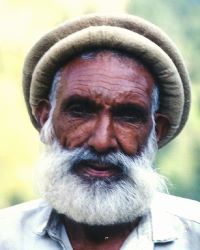

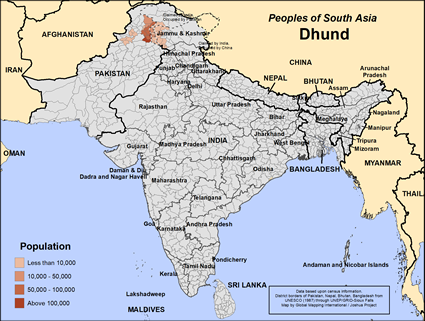
Most likely the Dhund Abbasi came to ancient Pakistan from Egypt around 850 AD, as traders and merchants in commodities. They are probably descended from the Abbasid dynasty that governed for 500 years from Baghdad, Iraq. The rule of the Abbasi extended eastwards across Afghanistan into the South Asian subcontinent, covering the eastern part of modern-day Pakistan. A conflicting account, which may have little credibility, states that the Dhund Abbasi are descendants of Abbas, an uncle of the prophet Mohammad.
The work of the Dhund is primarily centered on agriculture and livestock rearing. Many Dhund families cultivate crops such as wheat, maize, and vegetables, depending on the local climate and terrain. Farming is often seasonal and requires the coordinated effort of the entire household. In addition to crop production, families commonly keep animals such as cattle, goats, and sheep, which provide milk, meat, and supplementary income.
Because landholdings can vary, some Dhund men seek additional employment beyond farming. It is common for individuals to serve in the military, which has historically been a respected occupation among groups in this region. Others may find work in government service, small businesses, or wage labor in nearby towns and cities. Migration, both temporary and long-term, is another strategy used to support family income.
Work responsibilities are typically shared among family members. Men often handle plowing, herding, and external labor, while women contribute significantly through planting, harvesting, caring for animals, and managing the household. Women also play a central role in food preparation, childcare, and maintaining the home. Children assist with lighter tasks from a young age, learning the rhythms of agricultural life and family responsibility.
Recreational life among the Dhund is closely tied to community interaction and cultural tradition. Leisure time is often limited due to the demands of work, but meaningful recreation is found in shared social activities.
Evenings provide opportunities for relaxation, as men gather to discuss local affairs, share stories, and strengthen social bonds. Hospitality is highly valued, and visiting friends and relatives is an important part of social life. Women also engage in social interaction, often while carrying out household tasks together.
Traditional forms of recreation may include singing, storytelling, and local games. In rural settings, outdoor activities and informal competitions can provide enjoyment, particularly for young people. Community events and gatherings reinforce a strong sense of identity and belonging.
Festivals and celebrations are the primary occasions for recreation. Islamic holidays such as Eid are especially important, bringing families and communities together for prayer, feasting, and fellowship. Weddings and other life-cycle events are also major social gatherings, marked by music, traditional songs, and communal celebration.
The people are Sunni Muslims who believe that the supreme God, Allah, spoke through his prophet, Mohammed, and taught mankind how to live a righteous life through the Koran and the Hadith. To live a righteous life, you must utter the Shahada (a statement of faith), pray five times a day facing Mecca, fast from sunup to sundown during the month of Ramadan, give alms to the poor, and make a pilgrimage to Mecca if you have the means. Muslims are prohibited from drinking alcohol, eating pork, gambling, stealing, slandering and making idols. They gather for corporate prayer on Friday afternoons at a mosque, their place of worship.
The two main holidays for Sunni Muslims are Eid al Fitr, the breaking of the monthly fast and Eid al Adha, the celebration of Abraham's willingness to sacrifice his son to Allah.
Sunni religious practices are staid and simple. They believe that Allah has pre-determined our fates; they minimize free will.
In most of the Muslim world, people depend on the spirit world for their daily needs since they regard Allah as too distant. Allah may determine their eternal salvation, but the spirits determine how well we live in our daily lives. For that reason, they must appease the spirits. They often use charms and amulets to help them with spiritual forces.
If there were Christians with expertise in water management or veterinarian medicine, they would be welcome to help this livestock herding community.
Pray for Dhund elders to have dreams of the living and victorious Christ.
Pray that the Lord will be present in the Dhund's lives in powerful ways, shining a light through much of the darkness and pain present in Pakistan.
Pray for the brave Pakistani Christians, for their protection and opportunities to spread the message of Jesus to those around them.
Pray for Christians to make intentional disciples of members of the Dhund community.
References
Scripture Prayers for the Dhund in Pakistan.
| Profile Source: Joshua Project |



