


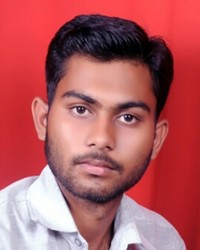

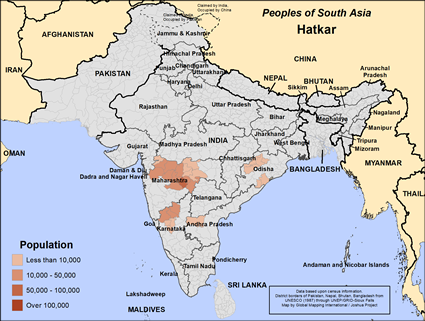
The Hatkar are a Hindu community found mainly in the Deccan region of India, especially in Maharashtra's Marathwada region and neighboring areas of Karnataka, Telangana, Madhya Pradesh, and Andhra Pradesh. Their primary language is Marathi. The Hatkar are widely associated with the broader Dhangar community, a large pastoral and shepherding population historically spread across western and central India. Some Hatkar strongly identify themselves as a Kshatriya or warrior community with historical ties to Maratha military traditions.
Historical traditions within the community connect the Hatkar to warrior service under Deccan kingdoms and later under the Maratha rulers. Oral histories and community records frequently describe Hatkar men as cavalry soldiers, guards, shepherd-warriors, and defenders of regional territories. Some traditions associate them with the forces of Shivaji Maharaj and other Maratha leaders, though details often blend historical memory with community pride and oral tradition.
At the same time, many Hatkar families historically practiced pastoralism, sheep herding, cattle keeping, and agriculture. Seasonal migration with livestock shaped the lives of some Hatkar communities for generations across the dry plateau regions of the Deccan. Clan identity, oral genealogy, and complex lineage traditions remain important parts of Hatkar social life. Community records describe numerous clans and surnames connected to different ancestral lineages and gotras.
Modernization, urban migration, education, and economic change have altered many traditional lifestyles. Today, Hatkar families are found in villages, towns, and cities working in agriculture, government service, transportation, business, military service, construction, and a variety of modern occupations. Even so, pastoral heritage and martial identity continue to hold strong cultural importance within the community.
Traditionally, many Hatkar families lived as shepherds, cattle keepers, and farmers. Sheep and goat herding played a major role in community life, especially in the dry and semi-arid regions of Maharashtra where pastoral movement helped families survive difficult climatic conditions. Some groups practiced seasonal migration with flocks, moving between grazing regions depending on rainfall and water availability.
Agriculture also became increasingly important over time. Families commonly cultivate crops such as millet, sorghum, wheat, cotton, pulses, and vegetables depending on local conditions. In rural areas, livestock ownership still carries social and economic importance. Men often work in farming, herding, military service, transport, or labor-intensive occupations, while women contribute heavily through livestock care, household management, agricultural labor, and food preparation.
Village life generally centers around extended family relationships, clan identity, and strong social cooperation. Weddings, religious festivals, and caste gatherings remain important social occasions. Community honor, courage, hospitality, and respect for elders are strongly valued traits among many Hatkar families. Traditional songs, oral poetry, and stories connected to ancestors and warrior heritage continue to be remembered within the community.
Many Hatkar families today pursue education and urban employment opportunities, especially among younger generations. However, rural communities may still face economic instability, drought conditions, debt burdens, limited educational access, and uncertain agricultural income tied to changing rainfall patterns in the Deccan region.
The Hatkar are Hindus, and Hindu beliefs strongly shape family and community life. Religious practices commonly include temple worship, household rituals, observance of Hindu festivals, pilgrimages, and devotion to gods such as Shiva, Khandoba, Bhavani, Hanuman, and regional deities important in Maharashtra's pastoral and warrior traditions. Khandoba worship is especially significant among many Dhangar-related communities in Maharashtra.
Like many rural Hindu communities, the Hatkar often combine formal Hindu worship with folk religious traditions. Belief in blessings, curses, ancestral influence, ritual purity, astrology, and protective spiritual practices may affect decisions involving marriage, illness, farming, livestock, and family wellbeing. Community traditions connected to clan deities and regional shrines also remain influential.
Religious identity is closely tied to family lineage, caste belonging, and inherited tradition. Participation in festivals and rituals is often viewed as essential for preserving social harmony and honoring ancestors.
Although some Hatkar have encountered Christianity, many still have little understanding of the biblical gospel. Christianity is often viewed as foreign or disconnected from traditional community identity. The Hatkar need to hear clearly that forgiveness of sins and reconciliation with God come through Jesus Christ alone rather than through rituals, caste identity, warrior heritage, karma, or inherited religion.
Many Hatkar communities remain spiritually unreached or only lightly reached with the gospel. Strong cultural identity, attachment to inherited traditions, and limited exposure to biblical teaching can create barriers to Christian witness. Faithful Christian workers are needed who are willing to build long-term relationships, communicate biblical truth respectfully, and demonstrate the love of Christ through humility and practical service.
Practical needs vary between rural and urban communities. Some Hatkar families continue to struggle with unstable agricultural income, drought, livestock losses, debt burdens, healthcare access problems, and limited educational opportunities. Rural shepherding and farming communities are especially vulnerable to environmental pressures and changing economic conditions in the Deccan region.
The Hatkar need Scripture resources, discipleship materials, and gospel teaching communicated clearly in Marathi and related regional languages. Oral Bible storytelling, relationship-centered ministry, and strong local fellowships may all help communicate the gospel effectively. Any believers among them would need encouragement, biblical training, and fellowship support so they can stand firm in faith and share Christ within their own community networks.
Pray that the Hatkar people will hear a clear presentation of the gospel and place their faith in Jesus Christ for salvation.
Pray that God will raise up faithful Christian workers who are willing to serve among the Hatkar with wisdom, humility, patience, and compassion.
Pray that the Hatkar people will be adopted through the People Group Adoption program so that churches and believers will commit to sustained prayer and future gospel outreach among them.
Pray that Hatkar believers will grow strong in biblical truth and boldly share the hope of Christ with their families and communities.
Scripture Prayers for the Hatkar in India.
https://en.wikipedia.org/wiki/Hatkar
https://en.bharatpedia.org/wiki/Hatkar
https://dhangar-articles.blogspot.com/2014/04/article-0042.html
https://vinaykumarmadane.blogspot.com/2015/04/list-of-hatkar-clans.html
https://vinaykumarmadane.blogspot.com/2015/01/different-names-of-hatkar-dhangars.html
https://ahilyabaiholkar.in/dhangar-gotra/
| Profile Source: Joshua Project |



