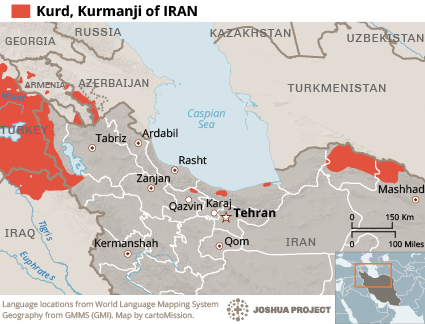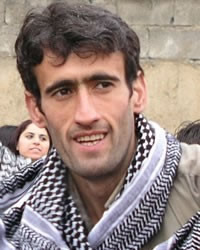

The Northern Kurds in Iran are part of the larger Kurdish people, who are widely spread across the mountainous regions of Turkey, Iran, Iraq, and Syria—often referred to as Kurdistan. They are one of the largest ethnic groups in the world without their own independent homeland.
In Iran, the Northern Kurds—often called Kurmanji-speaking Kurds—live mainly in rugged, mountainous areas along the border with Turkey, as well as in scattered communities further east. Their language, Northern Kurdish (Kurmanji), is an important marker of identity and distinguishes them from other Kurdish groups in Iran who speak different dialects.
Historically, the Kurds have maintained a strong sense of ethnic identity despite being divided among several modern nations. In Iran, this identity has sometimes brought tension with the central government, especially around issues of autonomy and cultural expression.
Life for Northern Kurds in Iran is shaped by both geography and political realities. Many live in mountainous or rural regions where agriculture and animal husbandry are common livelihoods. Families often raise sheep and goats, cultivate grains, and depend on seasonal cycles for survival. In more urban areas, Kurds may engage in trade, labor, or small businesses.
Family and tribal structures remain important in Kurdish society. Extended families often live close together, offering support and maintaining shared traditions. Loyalty to family and tribe strongly influences social relationships, decision-making, and conflict resolution.
Daily life can be challenging due to economic limitations and political pressures. The Iranian government has historically restricted expressions of Kurdish identity and has suppressed separatist activity, which can create an atmosphere of caution and limited opportunity.
Despite these challenges, Kurdish culture is rich and resilient. Music, dance, and storytelling are valued forms of expression, and gatherings for weddings and festivals play a key role in maintaining cultural identity. Meals often include bread, dairy products, and locally available vegetables and meats, reflecting a rural, land-based lifestyle.
The Northern Kurds in Iran are almost entirely Muslim, and Islam plays a significant role in shaping their worldview and daily life. However, compared to some other Muslim groups, their ethnic identity as Kurds can be just as central to their sense of belonging as their religious identity.
Religious practices typically include daily prayers, fasting during Ramadan, and participation in Islamic festivals. Local traditions and cultural customs may be interwoven with Islamic belief, creating a lived expression of faith that reflects both religion and heritage.
Because Islam is deeply rooted in their communities, many Northern Kurds have limited understanding of the gospel and may hold misconceptions about Christianity. Social pressure and community expectations also make it difficult for individuals to explore other beliefs openly.
The Northern Kurds in Iran face both spiritual and practical needs. Spiritually, there are very few followers of Christ among them, and access to the gospel is limited due to political restrictions and cultural barriers. The closed nature of Iranian society makes open evangelism difficult and often dangerous.
Practically, many Kurdish communities face economic hardship, limited infrastructure, and restricted access to opportunity. Political tensions can further limit development and create instability in some regions.
There is a need for wise, culturally sensitive engagement that combines discipleship, media outreach, and relationship-building. The availability of Scripture and media in Northern Kurdish provides an important opportunity, especially when coupled with prayer and long-term commitment.
Pray that the Northern Kurds in Iran would be adopted through the People Group Adoption program, leading to sustained prayer and long-term gospel engagement.
Pray that Iranian and nearby believers would courageously and wisely build friendships with Northern Kurds and share the message of Jesus Christ.
Pray that a deep spiritual hunger would arise among the Northern Kurds, leading them to seek truth and follow Jesus Christ no matter the cost.
Pray for increased access to economic opportunity, education, and stability in Kurdish regions of Iran.
Scripture Prayers for the Kurd, Kurmanji in Iran.
https://www.ethnologue.com/language/kmr/
https://en.wikipedia.org/wiki/Kurds
| Profile Source: Joshua Project |